
Epilobium hybrids
Epilobium hybrids
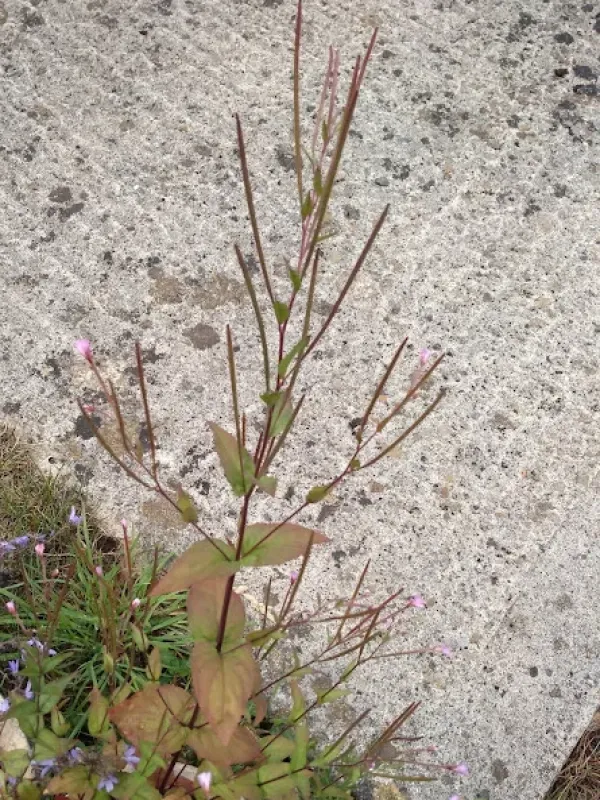
Description
Sowing dates
The cultivation of Epilobium hybrids typically starts with autumn sowing, as seeds require a period of stratification to break dormancy and ensure uniform germination.
In greenhouse settings, seeds can be sown in late winter to produce healthy seedlings, which are then transplanted outdoors once the risk of frost has passed.
Due to the extremely small size of the seeds, they should be sown on the soil surface or covered with a very light dusting of substrate to allow sufficient light access.
Vegetative propagation via rhizome division is often preferred for large-scale production, as it ensures genetic consistency and promotes faster establishment of the crop.
Proper spacing is crucial for Epilobium hybrids, typically allowing 60–70 cm between rows to ensure adequate airflow and facilitate mechanical maintenance during the growing season.
Growing requirements
As members of the Onagraceae family, Epilobium hybrids thrive in open, sunny locations with well-draining, nutrient-rich soils that possess a neutral to slightly acidic pH.
The plants are highly adaptable to various temperate climates, displaying strong winter hardiness while maintaining robust growth during the mild summer months.
While Epilobium hybrids enjoy moist conditions, they are particularly sensitive to waterlogging, which can lead to root system degradation in heavy, clay-based soils.
Regular monitoring of soil moisture levels is essential, especially during the establishment phase, to prevent dehydration while avoiding excessive water saturation.
Optimal site selection includes well-aerated areas that minimize weed competition, as the young plants can be easily outcompeted during their initial growth stages.
Yield
The yield of Epilobium hybrids reaches its maximum potential by the third or fourth year of cultivation, provided that the plantation receives consistent care and fertilization.
Productivity is largely determined by the density of the shoots and the quality of the soil, with nitrogen-rich fertilizers often applied early in the season to boost biomass.
Commercial growers aim for a sustainable harvest, ensuring that the roots remain healthy to support continued production for up to seven years per planting cycle.
Annual yields vary depending on regional weather patterns, with consistent sunlight being a key driver for the concentration of secondary metabolites in the foliage.
Efficient management practices, such as seasonal pruning and proper irrigation, play a critical role in maintaining high output levels year after year.
Main diseases and pests
Leaf rust is the most prevalent disease affecting Epilobium hybrids, particularly in environments with high humidity or poor air circulation within the plant canopy.
Various insects, including specific caterpillar species and leaf beetles, can pose a localized threat to the foliage and may require organic pest control methods.
Root rot remains a significant threat if the soil drainage is inadequate, often leading to rapid decline in the health and vitality of the entire plant cluster.
Integrated Pest Management (IPM) is strongly recommended to maintain the organic standards often required for the herbal product market associated with this species.
Proactive monitoring and the removal of infected debris are essential strategies to prevent the spread of pathogens throughout the production fields.
Harvesting
The ideal harvest window for Epilobium hybrids occurs during the peak flowering stage when the concentration of essential oils and active compounds is at its highest.
Hand-harvesting or specialized mechanical harvesters are used to cut the stems, taking care to maintain a height that allows the plant to regenerate successfully.
Post-harvest logistics are vital, as the green biomass must be processed or moved to a wilting facility immediately to prevent unwanted heating and degradation.
Quality control during the harvest stage involves the removal of woody stems and extraneous material, ensuring that only the highest quality leaves reach the drying floor.
Proper drying or fermentation techniques must be implemented shortly after collection to preserve the unique flavor and medicinal properties of the plant material.