
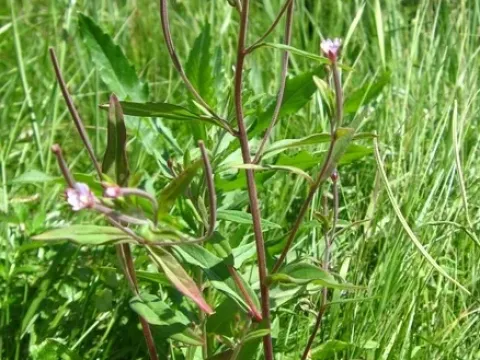
Epilobium fastigiatoramosum
Epilobium fastigiatoramosum
Epilobium fastigiatoramosum is a perennial plant belonging to the Onagraceae family. It is known for its distinct branched structure and high adaptive capacity, which allows it to thrive in various temperate environments across its native distribution range.
What the section contains
Epilobium fastigiatoramosum
The plant requires well-drained, fertile soil to achieve optimal biomass production. While it is somewhat tolerant of different soil textures, it performs best in loamy substrates with a moderate supply of nitrogen and phosphorus. Sunlight is the primary factor for growth, and exposure is critical for development.
Climate adaptation is a key feature of this species, as it withstands cold temperatures effectively. However, it requires a stable water supply during the vegetative stage to prevent wilting. Irrigation management is essential for intensive cultivation systems to ensure consistent yield.
Agrotechnical practices involve careful weed management during the establishment phase. Once the plant forms a stable root system, it acts as a competitor to weeds, reducing the need for heavy manual labor. Regular spacing is recommended to maximize air circulation.
The economic value of this crop lies in its secondary metabolites. It is increasingly viewed as a resource for the botanical industry, providing compounds that are potentially useful in health supplements and natural cosmetics due to the plant's diverse biochemical profile.
Fungal pathogens such as powdery mildew and rust are common threats to Epilobium species. These diseases usually appear when humidity levels are high and air circulation between plants is restricted, making proper plantation management a priority for farmers.
Insect pests, including aphids and leaf-eating beetles, often target young shoots. These pests can significantly reduce plant vigor and yield quality. Integrated Pest Management (IPM) strategies, including biological control agents, are highly recommended for this culture.
Root rot caused by stagnant water is a serious physiological threat. Ensuring proper drainage and avoiding excessive irrigation is the most effective way to prevent soil-borne pathogens from decimating the crop population during the growing season.
Preventive maintenance involves cleaning the fields after the harvest season to remove crop residues where pathogens and insect eggs may overwinter. This cultural practice significantly reduces the risk of disease outbreaks in the following spring.
Monitoring the soil nutrient levels is also vital, as nutrient deficiencies can make plants more susceptible to opportunistic infections. Balanced fertilization programs help maintain the natural immune response of the plants against typical field pests.