
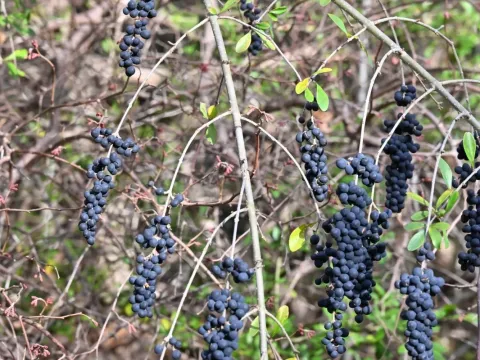
Quihou privet
Ligustrum quihoui
The Quihou privet (Ligustrum quihoui) is a deciduous to semi-evergreen shrub belonging to the Oleaceae family. Native to China, it is widely recognized for its elegant growth habit and attractive foliage, making it a popular choice for gardens and urban landscaping.
What the section contains
Quihou privet
This shrub is known for its versatility regarding soil conditions, though it performs best in fertile, well-drained loams. It thrives in full sun or partial shade, with exposure to sunlight significantly enhancing the intensity of its flowering season during the late summer.
When considering site selection, it is important to choose an area with protection from harsh winter winds, especially in colder temperate regions. The plant is moderately drought-tolerant once established but benefits from consistent moisture during its active growth phases.
Maintenance involves routine pruning, which is highly encouraged as the plant responds vigorously to trimming. Because of its dense branching, it is frequently used to create formal hedges, topiary, or as a structural element in mixed shrub borders.
The species serves primarily as a decorative plant in horticulture. Beyond its aesthetic appeal, it is highly valued for its fragrant, long-lasting panicles of white flowers, which bloom later in the season than many other privet species, extending the decorative cycle of the garden.
The Quihou privet generally displays strong resilience against most garden pests and diseases. However, improper environmental conditions, such as poor drainage or extreme humidity, can trigger fungal issues such as powdery mildew or leaf spot infections.
Pest pressure from aphids, scale insects, or spider mites can occur, particularly during hot and dry spells. These pests typically congregate on the undersides of leaves or along young, succulent stems, sapping nutrients from the plant.
Good cultural practices, such as maintaining proper spacing between plants to ensure airflow, are the most effective preventive measures. Keeping the area free of leaf litter and debris helps reduce the likelihood of fungal spores overwintering.
If an infestation occurs, horticultural oils or appropriate systemic insecticides can be applied to manage the population. Similarly, fungal infections should be addressed with copper-based fungicides or other recommended treatments to protect the foliage integrity.
Regular inspection of the shrub is advised to catch any potential health issues early. By maintaining optimal soil fertility and managing water levels, gardeners can ensure that the Quihou privet remains a vigorous and healthy component of their landscape design.