
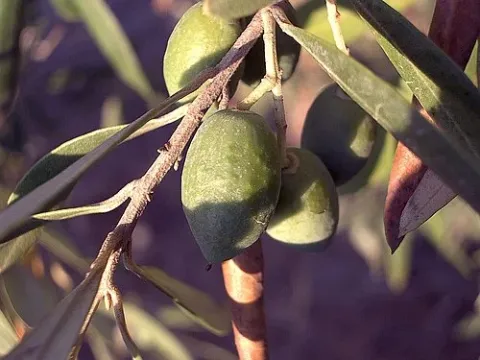
Olea welwitschii
Olea welwitschii
Olea welwitschii, a member of the Oleaceae family, is a robust evergreen tree native to the tropical forests of Central and West Africa. Botanically, it shares characteristics with other members of the olive family but is primarily recognized for its size and ecological adaptability in humid tropical environments.
What the section contains
Olea welwitschii
The climate requirements for this species are strictly tropical, demanding high humidity and year-round warmth to sustain growth. Unlike typical Mediterranean olives, Olea welwitschii does not require a cold stratification period or significant temperature fluctuations to trigger development.
Soil conditions should ideally be deep, fertile, and well-drained to ensure root health and optimal nutrient uptake. While the species is resilient in its native habitat, agricultural success depends on maintaining adequate soil moisture and preventing waterlogging, which can lead to root rot.
Agronomic management involves periodic pruning to shape the canopy and improve the quality of the timber produced. Providing adequate space between individuals is essential to prevent overcrowding and to ensure that each tree receives sufficient sunlight, which is crucial for maximizing wood density and overall yield.
The primary хозяйственное usage of Olea welwitschii is in the forestry industry, where it is valued for its high-quality, durable timber. Additionally, the plant contributes to agroforestry systems by stabilizing soil and providing a microclimate beneficial for shade-loving understory crops in its native range.