
Nyctanthes
Nyctanthes
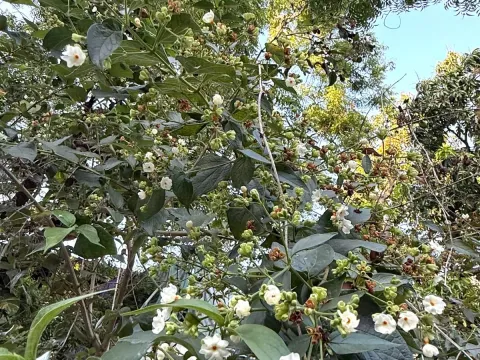
Nyctanthes, commonly known for its species Nyctanthes arbor-tristis, belongs to the family Oleaceae. It is a tropical shrub or small tree native to South and Southeast Asia, widely recognized for its fragrant flowers that bloom at night and drop at dawn, covering the ground with white and orange petals.
What the section contains


Nyctanthes
The plant thrives in warm tropical climates and requires a frost-free environment to sustain growth. Ideally, temperatures should remain consistently above 15 °C. Exposure to direct cold drafts or freezing conditions will cause immediate defoliation and may lead to plant mortality.
Soil requirements for Nyctanthes involve well-drained, fertile soil. It performs best in loam-based substrates with a slightly acidic to neutral pH level. Proper drainage is critical, as the roots are sensitive to waterlogging, which often leads to root rot in poorly aerated pots or fields.
Adequate sunlight is essential for floral production, though the plant benefits from light shade during the peak heat of the day. Consistent moisture throughout the growing season ensures robust vegetative development and extends the flowering period, which is the primary economic cycle for this crop.
Economically, Nyctanthes is valued for the orange corolla tubes of its flowers, which serve as a traditional source of dye for textiles. Furthermore, the species is extensively studied for its pharmaceutical properties and is highly regarded in the essential oil industry for its potent, sweet fragrance.
Spider mites represent a frequent threat in dry, warm conditions, often colonizing the underside of leaves. Regular misting and the application of horticultural oils or acaricides are standard protocols for managing mite populations in controlled or field environments.
Root rot, driven by excessive soil moisture and poor drainage, is a leading cause of loss in cultivation. Prevention requires strict irrigation management and the use of soil amendments like sand or perlite to facilitate excess water drainage and root aeration.
Powdery mildew can infect foliage during seasons of high humidity and poor air circulation. This fungal disease is managed by improving spacing between plants and utilizing systemic fungicides if localized outbreaks threaten the health of the entire shrub canopy.
Leaf-eating caterpillars and various beetle larvae can cause significant aesthetic and structural damage during the active growing phase. Integrated pest management strategies, including manual removal and the use of biological control agents, are preferred to minimize chemical residues.
Nutrient deficiency, specifically related to trace minerals, may manifest as chlorosis or stunted development. Regular soil analysis and the application of balanced, slow-release fertilizers ensure the plant receives necessary nutrients to withstand environmental stresses and maintain vigour.