
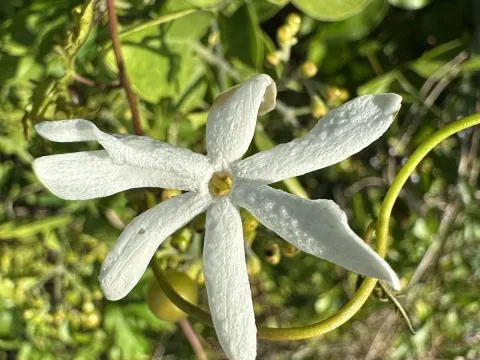
Jasminum fluminense
Jasminum fluminense
Jasminum fluminense is a perennial woody vine belonging to the Oleaceae family. In its natural habitat, the plant exhibits vigorous growth, reaching significant sizes if it finds a suitable support structure for vertical development.
What the section contains
Jasminum fluminense
Native to tropical Africa, this species has been widely introduced to many tropical regions worldwide, including Florida and the Caribbean. In regions with temperate climates, this crop can be grown exclusively in greenhouses or as a container plant.
For successful vegetative development, the plant requires bright, diffused lighting. Direct sunlight during peak hours can cause leaf scorch; therefore, light shading is recommended in intensive cultivation settings.
Soil requirements involve the use of fertile, well-draining substrates with a neutral to slightly acidic pH level. Stagnant moisture in the root zone is unacceptable, as it leads to the rapid development of root rot and other decay processes.
Temperature must remain stable, with no drops below +15°C. Jasminum fluminense is a heat-loving crop that is sensitive to sudden temperature fluctuations and cold drafts.
The primary pests affecting this crop in controlled environments are spider mites and mealybugs. These insects multiply rapidly in low-humidity conditions, making regular misting an essential preventive measure.
Aphids may also infest young shoots, feeding on cell sap and causing leaf deformation. Upon the first signs of infestation, systemic insecticides should be applied to manage the population effectively.
Excessive irrigation combined with poor ventilation promotes the development of fungal diseases such as gray mold and root rot. Prevention involves strictly adhering to a proper watering schedule and ensuring high-quality drainage.
Viral diseases are less common but require drastic intervention, such as the removal and destruction of the infected specimen to prevent the spread of infection throughout the entire collection.
Micronutrient deficiencies, particularly iron and magnesium, often manifest as leaf chlorosis. To prevent this, periodic fertilization with complex fertilizers containing chelated micronutrients is strongly recommended.