
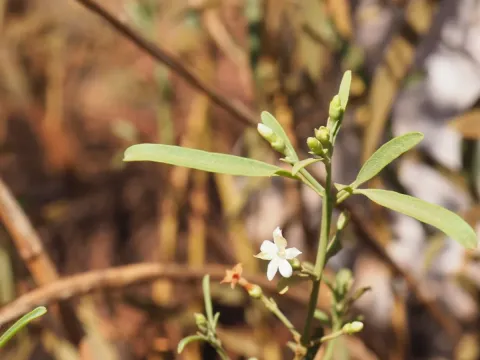
Jasminum didymum
Jasminum didymum
Jasminum didymum is a versatile evergreen vine belonging to the Oleaceae family. Originating from Australia, this species is well-known for its vigorous climbing habit and aromatic flowers, making it a popular choice for tropical and subtropical landscaping projects.
What the section contains
Jasminum didymum
Botanically, the plant features pinnate, opposite leaves and woody stems that require sturdy support to thrive. It naturally occupies forest margins, where it utilizes its climbing ability to access sunlight, developing dense foliage coverage throughout the growth season.
Cultivation requires well-draining, nutrient-rich soil with a slightly acidic to neutral pH. A substrate mixture containing compost, peat, and coarse sand provides the necessary structure to support root respiration and prevent excessive moisture retention, which is fatal for the species.
Climate requirements focus on warmth and humidity. Jasminum didymum thrives in temperatures between 18°C and 26°C. While it prefers bright, filtered sunlight, it can adapt to partial shade, although full sunlight exposure during cooler hours is beneficial for profuse flowering.
Agrotechnical maintenance centers on periodic pruning to control the size and shape of the vine. Fertilization should be conducted during the active growing phase using a balanced fertilizer to promote vegetative development, followed by a lighter feeding schedule during dormancy.
Spider mites are a common pest in indoor environments, especially when humidity levels drop below 50 percent. Regular misting and proper plant spacing are effective cultural methods to manage populations and prevent extensive leaf damage.
Aphids tend to colonize the tender tips of young stems. Immediate intervention using horticultural oils or systemic insecticides can prevent these pests from spreading and causing distorted growth patterns across the plant.
Root rot caused by Phytophthora species is a major threat in poorly drained containers. Ensuring the pot has ample drainage holes and allowing the top inch of soil to dry out between waterings is essential to maintain root health.
Powdery mildew may occur if air circulation is insufficient. Increasing ventilation around the plant canopy and avoiding overhead watering during late evening helps to mitigate the spread of fungal spores in the garden or greenhouse.
Scale insects can attach themselves to the woody stems of the vine, sapping plant vitality. Manual removal or application of specialized control agents is necessary if an infestation is detected early to save the structural integrity of the plant.