
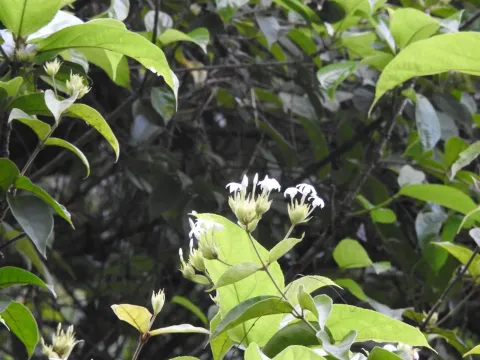
Jasminum coarctatum
Jasminum coarctatum
Jasminum coarctatum is an evergreen shrub species that belongs to the Oleaceae family. It is recognized for its woody, vine-like growth habit, which allows it to thrive in the dense understory of tropical and subtropical forest ecosystems.
What the section contains
Jasminum coarctatum
The native distribution of this species spans across Southeast Asia, specifically in regions of India, Myanmar, and Southern China. These areas provide the humid and stable climatic conditions necessary for the plant's physiological development.
Cultivation requires well-draining, nutrient-rich soil substrates to support root health and prevent saturation-induced stress. A pH range between slightly acidic and neutral is generally considered optimal for nutrient availability.
Temperature management is critical, as Jasminum coarctatum is highly sensitive to frost and cold-induced cellular damage. In cooler climates, the plant must be cultivated within controlled environments, such as greenhouses or conservatories, to maintain consistent warmth.
Agricultural practices involve regular maintenance of air humidity and light levels, ensuring the plant receives filtered or partial sunlight. Pruning is essential to encourage healthy branching and to maintain the desired aesthetic shape of the shrub.
The primary threats to Jasminum coarctatum involve sap-sucking pests such as spider mites and mealybugs, which tend to proliferate in conditions of low humidity and stagnant air.
Pathogenic threats include various root and foliage fungi, often induced by improper irrigation practices that leave the soil saturated for extended periods, encouraging the growth of water molds.
Integrated pest management strategies should be employed, prioritizing cultural controls like ventilation improvements followed by target-specific chemical treatments only when absolutely necessary.
Phytosanitary measures, including the regular disinfection of pruning tools, are vital to prevent the transmission of diseases between individual plants within a collection or plantation.
Ongoing monitoring of plant health, focusing on leaf underside inspection and root system vitality, is the most effective approach for ensuring the long-term sustainability of the crop.