
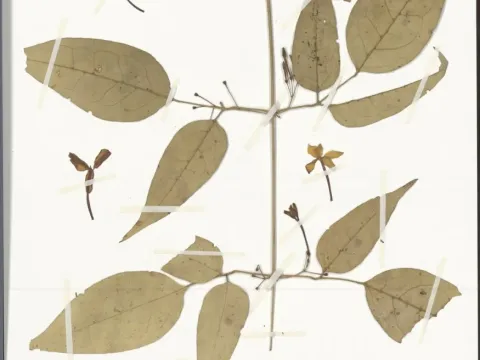
Jasminum flexile
Jasminum flexile
Jasminum flexile is a perennial evergreen shrub or climbing vine belonging to the Oleaceae family. This species is highly valued for its decorative qualities, characterized by flexible, slender stems that require support structures to facilitate vertical growth.
What the section contains
Jasminum flexile
The native range of this species encompasses the tropical and subtropical regions of India and Sri Lanka. In environments that mimic these native conditions, the plant exhibits vigorous vegetative growth and profuse flowering for most of the year.
Successful cultivation of Jasminum flexile requires well-lit locations with filtered or indirect sunlight. Harsh midday sun can cause leaf scorch, so it is recommended to place the plant in areas that offer partial shade during peak hours of sunlight intensity.
The growing medium must be nutrient-rich, well-draining, and possess a neutral to slightly acidic pH level. Providing high-quality drainage is essential, as waterlogging in the root zone frequently leads to root rot and eventual plant mortality.
The species is thermophilic and requires protection from frost in temperate climates. The optimal temperature range for development is +20°C to +28°C; growth slows significantly if temperatures drop consistently below +10°C.
The primary threats to Jasminum flexile are typically linked to improper irrigation regimes and humidity levels. In dry environments or when water supply is insufficient, the plant becomes highly susceptible to spider mite infestations.
Other common pests include scale insects and mealybugs. These pests colonize the stems and the undersides of the leaves, hindering plant vigor. Control requires the regular application of systemic insecticides and consistent monitoring of the foliage.
Anthracnose, characterized by the appearance of spots on the leaves, is the most prevalent fungal disease. The development of this disease is favored by high humidity combined with poor air circulation, a frequent issue in greenhouse environments.
Root rot is another significant concern caused by excessive soil moisture. Once the root system is compromised, the plant loses turgor and foliage begins to drop, often making it impossible to save the specimen without immediate intervention and repotting.
Preventing these issues relies on maintaining balanced agronomic practices: ensuring consistent ventilation, using moderate watering with tepid water, and providing regular fertilization with mineral complexes to boost the plant's overall resistance.