
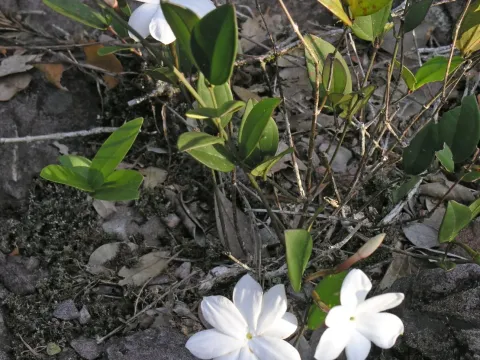
Jasminum nobile
Jasminum nobile
Jasminum nobile is an evergreen or semi-deciduous shrub belonging to the Oleaceae family. Native to the tropical regions of Southeast Asia, it is highly valued for its intense floral scent and its role as a key raw material in the essential oil industry.
What the section contains
Jasminum nobile
The plant thrives in fertile, well-draining soils with a pH ranging from slightly acidic to neutral. Ensuring excellent drainage is a fundamental requirement, as waterlogged soil rapidly leads to root rot and severe plant distress.
Climate requirements include a frost-free environment with consistent warmth. The plant grows best in temperatures between 20°C and 28°C. High atmospheric humidity is also essential for maintaining the health of the foliage and optimal flower production.
Full to partial sunlight is necessary for robust growth. While it prefers bright, filtered light, excessive direct heat during peak hours can cause leaf scorch, necessitating strategic shading in extremely hot climates.
Agronomic management includes regular nutrient supply, specifically nitrogen-rich fertilizers during the active growing season. Pruning is essential to encourage branching, as flower buds develop primarily on new, vigorous growth.
The primary economic focus of Jasminum nobile cultivation is the extraction of high-quality essential oil. This oil is a prized ingredient in luxury perfumery, known for its complex, sweet, and lingering aroma profile.
Yield capacity is influenced by plant density, the age of the plantation, and the intensity of horticultural care. Modern plantations utilize drip irrigation systems to ensure consistent moisture levels, directly impacting the volume of harvested blooms.
The chemical composition of the oil, rich in benzyl acetate and jasmine-specific floral compounds, is highly sought after. Quality depends on the precise timing of harvest to capture the peak concentration of these volatile components.
Apart from perfumery, the flowers have a significant niche in the food industry, particularly for scenting premium green tea. This diverse range of uses ensures a consistent demand for high-quality, pesticide-free floral raw material.
The harvest remains a manual, labor-intensive process. Automation is currently impractical, as mechanical equipment damages the fragile petals, leading to immediate oxidation and a decrease in the quality of the essential oils.
Common pests include spider mites, which thrive in low-humidity conditions, and aphids that cluster on young, tender shoots. These pests can significantly reduce plant vigor if not controlled early in the infestation cycle.
Fungal diseases such as root rot and powdery mildew are prevalent when ventilation is poor or soil moisture levels are mismanaged. These conditions are particularly dangerous in greenhouse settings or densely planted fields.
Integrated Pest Management (IPM) is the standard approach for Jasminum nobile plantations. This involves the use of beneficial insects and biological fungicides to minimize chemical residue on the flowers, which is critical for premium oil production.
Sanitation practices, such as the removal of fallen debris and infected branches, are vital to break the cycle of disease. Regular monitoring of the foliage underside is essential for detecting early signs of pest activity.
Providing adequate spacing between plants allows for better air circulation, which naturally reduces the risk of fungal outbreaks and fosters healthier, more productive growth across the entire plantation.
Harvesting is a time-sensitive operation performed in the early morning. Flowers must be picked before the sun fully rises to ensure that the volatile oils remain trapped within the petals rather than evaporating.
Only fully open, undamaged flowers are selected for processing. The speed from the field to the extraction facility is crucial, as the chemical profile of the flowers begins to degrade rapidly once picked.
Transporting the delicate harvest requires temperature-controlled containers to prevent fermentation and heat buildup. Even slight bruising during transit can lead to off-notes in the final extracted essential oil.
The harvest season is continuous over several months, requiring a structured workforce to pick through the plantation repeatedly. This selective harvesting ensures that only the highest quality blooms are gathered.
Quality control at the point of collection involves inspecting for debris, insects, and petal color. High-standard plantations maintain strict hygiene protocols for workers to ensure the final product meets industrial fragrance requirements.