
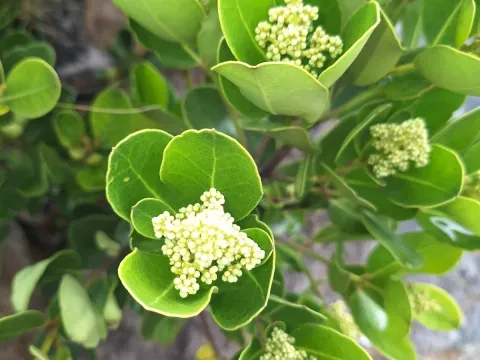
Laurel olive
Olea laurifolia
Laurel olive (Olea laurifolia) belongs to the Oleaceae family. This evergreen species is native to the forests and coastal regions of South Africa. Unlike its common relative, the edible olive, this species is well-adapted to more humid subtropical environments and is valued for its robust growth and dense, attractive foliage.
What the section contains
Laurel olive
The plant thrives in fertile, well-draining loamy soils with a pH ranging from neutral to slightly acidic. It is sensitive to soil compaction and waterlogging, making proper drainage design essential in any agricultural or horticultural setting to ensure the health of the root system.
Regarding climate, Olea laurifolia prefers a stable subtropical climate. While it shows some tolerance to shaded areas, it requires filtered sunlight for optimal biomass production. Protecting the trees from desiccating winds is a crucial aspect of its care, as strong gusts can stress the leaves and reduce growth rates.
Water management is vital during the growing season. While the species is moderately hardy, it responds well to consistent irrigation that maintains soil moisture without leading to saturation. In arid periods, mulching can help preserve soil humidity and protect shallow roots from extreme temperature fluctuations.
Proper spacing between trees is necessary to facilitate good air circulation. This prevents the microclimate within the canopy from becoming too humid, which is a common trigger for various environmental stresses and secondary infections in this species.
The primary economic value of the Laurel olive is its timber, known in its native regions as black ironwood. The wood is prized for its extreme density, hardness, and natural resistance to decay, making it a premium material for fine woodworking, construction, and ornamental use.
In terms of production, the yield is calculated based on the maturation rate of the wood. The species grows moderately, and strategic, sustainable harvesting practices allow for a consistent supply of timber without damaging the long-term viability of the forest stands.
Beyond timber production, the tree serves significant ecological functions. It contributes to habitat restoration and supports local biodiversity by providing food sources for avian species and shelter for a variety of insects and small vertebrates in its natural range.
Ongoing research explores the chemical properties of the foliage and seeds. Although commercial use of these parts is currently limited, potential applications in herbal medicine or natural extracts could diversify the economic value derived from this species in the future.
Integrating these trees into broader forest management systems can improve land stability and carbon sequestration, providing ecosystem services that complement the direct economic return from wood products.
Laurel olive trees are susceptible to fungal diseases, particularly anthracnose, which thrives under high humidity conditions. These infections can manifest as leaf spots or branch dieback, severely impacting the aesthetic value and general health of the tree if not managed effectively.
Insect pests, such as various scale insects (Coccidae), pose a threat by feeding on the sap of young stems and leaves. This infestation can lead to stunted growth, yellowing foliage, and the secretion of honeydew, which further encourages the growth of sooty mold.
Integrated Pest Management (IPM) is the most effective approach for maintaining healthy stands. This includes regular pruning to improve canopy aeration, which discourages both fungal spore germination and the establishment of scale insect populations in the dense foliage.
Biological control methods, such as encouraging natural predators, are highly recommended. If chemical intervention is necessary, targeted applications should be performed to avoid harming beneficial fauna while managing the specific lifecycle stages of the targeted pest.
Routine site monitoring is essential for early detection of stress. Prompt removal of infected branches and ensuring proper soil health will minimize the vulnerability of the trees to opportunistic pathogens and ensure long-term vitality.