
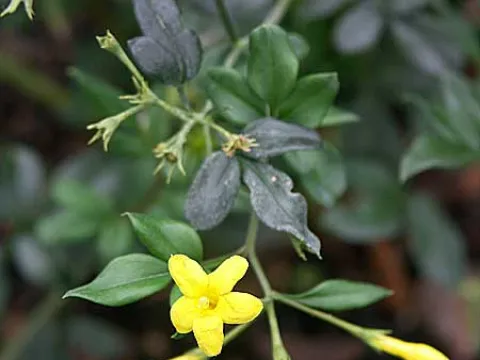
Jasminum floridum
Jasminum floridum
Jasminum floridum, known as showy jasmine, belongs to the Oleaceae family. This shrub is widely recognized in horticulture for its arching branches and prolific yellow flowers, making it a popular choice for garden landscapes in temperate and subtropical climates.
What the section contains
Jasminum floridum
Originating from China, the plant thrives in areas with mild winters. It prefers full sun to partial shade, which encourages more intense flowering and better foliage density throughout the growing season.
Regarding soil requirements, Jasminum floridum performs best in well-drained, fertile, loamy soils. It has a low tolerance for heavy, compacted soils that retain too much water, which can lead to root rot; therefore, providing a high-quality drainage substrate is essential for healthy plant development.
The agronomic management of this species involves consistent irrigation during the establishment phase and periods of drought. However, mature plants show moderate drought tolerance, which is a significant advantage in water-conscious gardening designs.
Regular maintenance includes pruning immediately after the main flush of blooms. This practice prevents the plant from becoming leggy and encourages the development of new flowering wood for the following season, maintaining the plant's aesthetic shape and vigour.
Typical pests affecting Jasminum floridum include aphids, spider mites, and scale insects. These pests often congregate on the undersides of leaves or along young, succulent stems, extracting plant sap and causing premature yellowing of foliage.
Fungal issues, particularly powdery mildew, can occur in environments with high humidity and poor air circulation. Symptoms appear as a white, dusty layer on the leaves, which can inhibit photosynthesis and reduce the plant's overall health if left untreated.
Chemical control using systemic insecticides is recommended during heavy infestations. It is crucial to monitor the population threshold and apply treatments in the early morning or evening to minimize the impact on beneficial pollinators.
Preventative cultural practices, such as proper spacing and thinning the center of the shrub, are highly effective against fungal infections. Improving airflow within the canopy significantly reduces the moisture levels necessary for fungal spore germination.
If chemical application is necessary for diseases, copper-based fungicides or appropriate bio-fungicides should be applied as soon as the first signs of leaf spots or mildew are observed to ensure the longevity of the jasmine specimen.