
Osbeckia
Osbeckia
Osbeckia is a prominent genus within the Melastomataceae family, consisting of various shrubs and herbs native to tropical and subtropical regions of the Old World. These plants are primarily distributed across Asia, Africa, and parts of Australia, thriving in humid environments that support lush vegetative growth.
What the section contains
 Chinese osbeckia
Osbeckia chinensis
Chinese osbeckia
Osbeckia chinensis
 Osbeckia aspera
Osbeckia aspera
Osbeckia aspera
 Osbeckia australiana
Osbeckia capitata
Osbeckia capitata
Osbeckia australiana
Osbeckia australiana
Osbeckia capitata
Osbeckia capitata
 Osbeckia cochinchinensis
Osbeckia congolensis
Osbeckia congolensis
Osbeckia cochinchinensis
Osbeckia cochinchinensis
Osbeckia congolensis
Osbeckia congolensis
 Osbeckia crinita
Osbeckia glauca
Osbeckia glauca
Osbeckia crinita
Osbeckia crinita
Osbeckia glauca
Osbeckia glauca
 Osbeckia muralis
Osbeckia muralis
Osbeckia muralis
 Osbeckia nepalensis
Osbeckia nutans
Osbeckia nutans
Osbeckia nepalensis
Osbeckia nepalensis
Osbeckia nutans
Osbeckia nutans
 Osbeckia octandra
Osbeckia rostrata
Osbeckia rostrata
Osbeckia tubulosa
Osbeckia tubulosa
Osbeckia octandra
Osbeckia octandra
Osbeckia rostrata
Osbeckia rostrata
Osbeckia tubulosa
Osbeckia tubulosa
 Osbeckia virgata
Osbeckia virgata
Osbeckia virgata
 Starry Osbeckia
Osbeckia stellata
Starry Osbeckia
Osbeckia stellata
Osbeckia
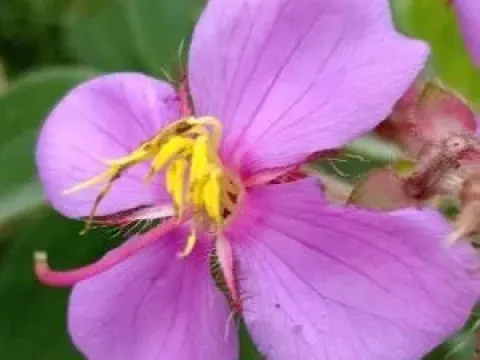
Botanically, the genus is easily identified by its opposite leaves, which feature distinctive longitudinal venation, a common trait among melastomes. The flowers typically appear in shades of purple, pink, or white, possessing four to five petals and prominent stamens, which contribute significantly to the plant's aesthetic appeal.
The cultivation of Osbeckia requires strict adherence to tropical climate parameters. The plant thrives in warm, humid conditions where temperatures remain consistent year-round. Exposure to cold drafts or freezing temperatures is generally fatal, necessitating the use of greenhouses or controlled environments in cooler temperate regions.
Soil requirements for healthy development include well-draining, slightly acidic media rich in organic matter. Proper aeration is crucial for the root system, as compacted or waterlogged soils often induce root rot and other fungal complications, which are the most common physiological threats to the genus.
Economically and culturally, Osbeckia is valued both as an ornamental specimen in tropical landscaping and as a resource in traditional medicine. Certain species are harvested for their therapeutic properties, believed to aid in managing various health conditions, though primary usage remains decorative due to the plant's vibrant floral display.