
Osbeckia nepalensis
Osbeckia nepalensis
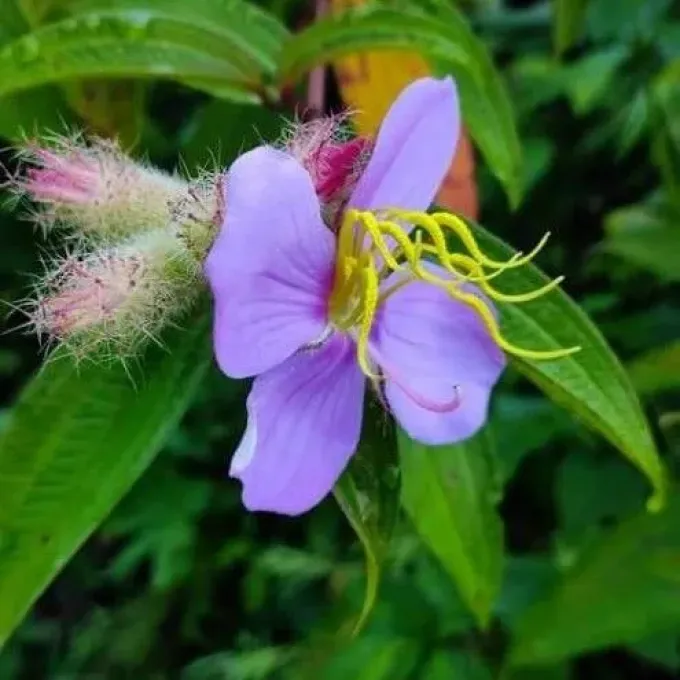
Description
Growing requirements
Osbeckia nepalensis is a shrub species belonging to the Melastomataceae family. It is native to the mountainous regions of Asia, primarily found in the Himalayas, where it thrives in moist, tropical, and subtropical climates.
The plant is known for its distinctive foliage featuring parallel veins and showy pink to purple flowers. These aesthetic traits make it an excellent candidate for botanical gardens and specialized landscaping projects in warmer climates.
Cultivation requires a well-draining, nutrient-rich soil with a slightly acidic to neutral pH. Moisture management is crucial; while the plant loves humidity, it must not be left in waterlogged conditions, as this leads to root system degradation.
Temperature sensitivity is a significant factor, as Osbeckia nepalensis is not frost-tolerant. It performs best in environments where temperatures remain consistently above 20 degrees Celsius throughout the growing season.
In addition to its decorative utility, the species is frequently studied for its chemical profile. Research indicates the presence of secondary metabolites that are of potential interest for botanical and pharmacological applications.
Main diseases and pests
The primary threats to Osbeckia nepalensis include fungal pathogens such as leaf spot and powdery mildew, which thrive in environments with poor air circulation and excessive humidity levels.
Common horticultural pests, including aphids and spider mites, are known to attack the plant, especially when grown indoors or in greenhouse conditions where natural predators are absent.
Effective management strategies involve maintaining adequate spacing between plants to ensure airflow and performing regular inspections to catch early signs of infestation or disease.
For chemical control, mild insecticidal soaps or systemic treatments may be applied, ensuring that the foliage is not damaged during the spraying process.
Maintaining soil hygiene is also essential to prevent soil-borne pathogens and nematodes that can stunt the plant's growth and reduce its overall vitality throughout the vegetative phase.