
Mouriri
Mouriri
Mouriri is a genus of evergreen trees and shrubs belonging to the Melastomataceae family. This genus includes approximately 90 species primarily native to the tropical regions of Central and South America.
What the section contains


Mouriri
These plants thrive in humid tropical forests and require well-drained soil to develop properly. They are highly sensitive to cold temperatures and do not tolerate frost, making them suitable only for tropical or subtropical climates.
Agricultural management of Mouriri involves maintaining consistent soil moisture while ensuring proper drainage to prevent root rot. The plants generally prefer environments with high atmospheric humidity and stable temperatures throughout the year.
Species of this genus often grow well in semi-shaded conditions, which allows for their integration into agroforestry systems. An ideal soil pH ranges from slightly acidic to neutral, favoring nutrient uptake and tree development.
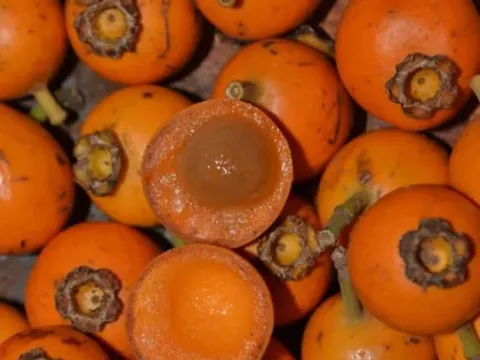
Botanically, Mouriri is characterized by opposite, leathery leaves and distinctive flowers featuring numerous stamens. The fruit is a berry that varies in size and flavor depending on the specific species, often used in local culinary applications.
The primary economic use of Mouriri is the production of edible fruits. These fruits are commonly used in local markets for making juices, jams, jellies, and desserts due to their rich nutritional profile and unique flavor.
Some species of Mouriri provide timber that is valued for its extreme hardness and density. This wood is occasionally utilized for small-scale construction, tool handles, and decorative woodwork in local communities.
While the yield depends on the species and environmental conditions, systematic cultivation can improve productivity. Currently, most Mouriri fruits are harvested from wild or semi-cultivated populations rather than large-scale plantations.
Efforts are being made to evaluate the potential of different Mouriri species for wider commercialization, focusing on fruit size, taste, and post-harvest durability, which currently limits its market reach.
In addition to food production, Mouriri trees contribute to soil conservation and biodiversity in tropical agro-ecosystems, making them an excellent choice for sustainable land-use projects.
Fungal diseases are the most significant threat to Mouriri, especially in regions with prolonged rainy seasons. Leaf spots and fungal infections can cause premature defoliation and weaken the trees.
Common pests include scale insects and mealybugs, which feed on the sap of young stems and leaves. These pests cause stunted growth and can attract secondary infections, such as sooty mold.
Leaf miners can also damage the foliage, interfering with photosynthesis and reducing overall tree vigor. Integrated pest management, focusing on biological controls, is highly recommended to manage these threats.
Over-fertilization with nitrogen can exacerbate pest issues by stimulating excessive soft growth that is more attractive to sap-sucking insects. Balanced nutrition is essential for maintaining plant resistance.
Regular monitoring and physical removal of infected parts are key preventative measures. Maintaining adequate airflow within the tree canopy by proper pruning helps reduce the humidity around the leaves, inhibiting fungal outbreaks.
Harvesting Mouriri fruits requires careful handling to avoid bruising, as the skin of many species is delicate. Fruits should be picked manually at the peak of ripeness to ensure optimal sugar levels and flavor.
Maturity is indicated by changes in fruit color and the development of a strong, pleasant aroma. Because harvested fruits have a limited shelf life, immediate post-harvest processing is highly recommended.
For transport and commercial sale, fruits should be kept in ventilated containers and stored in cool conditions to delay ripening and spoilage. Proper cooling can significantly extend the marketable period.
Processing methods such as freezing, drying, or converting the fruit into pulp are standard practices to preserve the nutritional value and unique culinary characteristics of Mouriri throughout the off-season.
After the harvest, trees should be monitored and pruned to promote healthy new growth. This practice ensures better accessibility to the fruit in the following season and maintains the overall vitality of the plantation.