
Nepsera
Nepsera
Nepsera is a genus of flowering plants within the Melastomataceae family, primarily represented by the species Nepsera aquatica. It is native to the tropical regions of Central and South America, where it thrives in humid, marshy environments.
What the section contains

Nepsera
This plant is naturally adapted to high-moisture habitats, such as wetlands and riverbanks. In an agricultural or botanical setting, consistent soil moisture is crucial, as the plant lacks drought tolerance and can quickly wither under arid conditions.
Climate requirements for Nepsera are strictly tropical, demanding high temperatures and stable conditions year-round. It is not frost-tolerant, meaning that even a minor dip in temperature can lead to metabolic stress or plant death if not properly managed.
For soil cultivation, the plant prefers acidic, nutrient-rich media that offer both high water retention and good aeration. The substrate should be organic-matter dense, mimicking the natural forest floor or wetland conditions where the species historically originated.
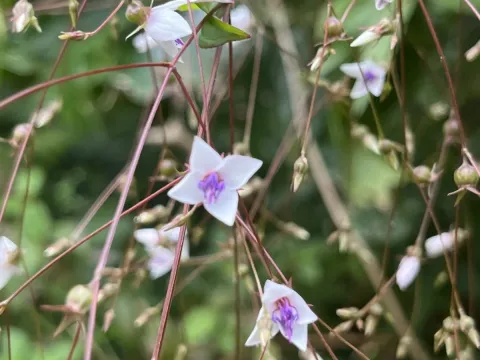
Botanically, Nepsera exhibits the distinct leaf venation pattern common to its family, characterized by prominent longitudinal veins. Its growth habit is typically semi-shrubby, producing small, delicate flowers that serve as the foundation for its propagation in native ecosystems.
As a tropical plant exposed to high humidity, Nepsera is prone to various fungal pathogens. Root rot is a significant risk if the soil remains waterlogged without proper oxygen exchange, leading to the collapse of the vascular system.
Leaf spot diseases are common, often exacerbated by stagnant air and moisture trapped on the foliage. Maintaining air circulation is essential for mitigating the spread of spores and keeping the plant's photosynthetic surface healthy and productive.
Pests such as aphids are frequent visitors that target the tender terminal growth of the plant. By feeding on phloem sap, they not only weaken the plant but can also serve as vectors for various plant viruses that complicate cultivation efforts.
Spider mites represent another biological threat, particularly in greenhouses or during periods of lower ambient humidity. These arachnids can cause extensive chlorosis, leading to leaf drop and a significant decline in overall plant vigor.
Effective management of these threats involves monitoring and early intervention. Integrated pest management, combining mechanical removal of infected parts with environmentally safe fungicides and miticides, ensures the longevity of the plant population.