
Pachyanthus
Pachyanthus
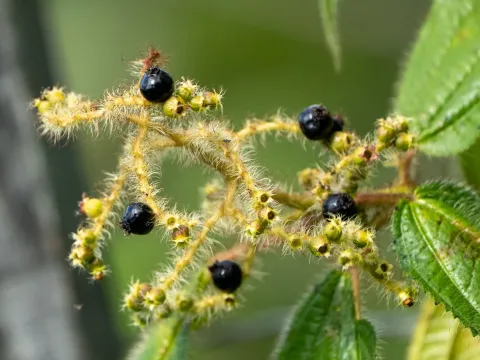
Pachyanthus is a genus of flowering plants belonging to the Melastomataceae family. Native primarily to the Caribbean region, particularly Cuba, these plants are typically found as shrubs or small trees that thrive in the understory of dense tropical forests.
What the section contains
Pachyanthus
For cultivation, Pachyanthus requires a stable, warm environment with high atmospheric humidity. As a tropical species, it is sensitive to cold snaps and should be cultivated in greenhouses or controlled indoor environments where temperatures remain consistent between 20°C and 28°C throughout the year.
Soil requirements are quite specific: the substrate must be highly porous, slightly acidic, and rich in organic matter. A well-draining potting mix is essential to prevent waterlogging, as the root systems of these plants are prone to decay if kept in constantly wet or compacted soil.
Agrotechnical practices involve providing bright, filtered light, as direct sunlight can scorch the foliage of these understory-native plants. Fertilization should be light but regular, using dilute liquid fertilizers during the active growing season to support the development of their characteristic foliage.
In terms of economic utility, Pachyanthus is primarily valued in the ornamental and botanical trade. Its unique architectural form and attractive leaf texture make it an excellent specimen for specialty greenhouse operations and collections focusing on rare tropical flora.
The primary threats to Pachyanthus cultivation are fungal pathogens, specifically those causing root rot and leaf spot. These conditions are usually triggered by poor air circulation and excessive moisture, necessitating diligent control of the greenhouse environment to maintain plant health.
Common pests include spider mites and mealybugs, which thrive in protected indoor environments. To manage these threats, it is recommended to implement integrated pest management (IPM) practices, emphasizing biological control and the maintenance of optimal humidity levels to deter infestation.