
Osbeckia octandra
Osbeckia octandra
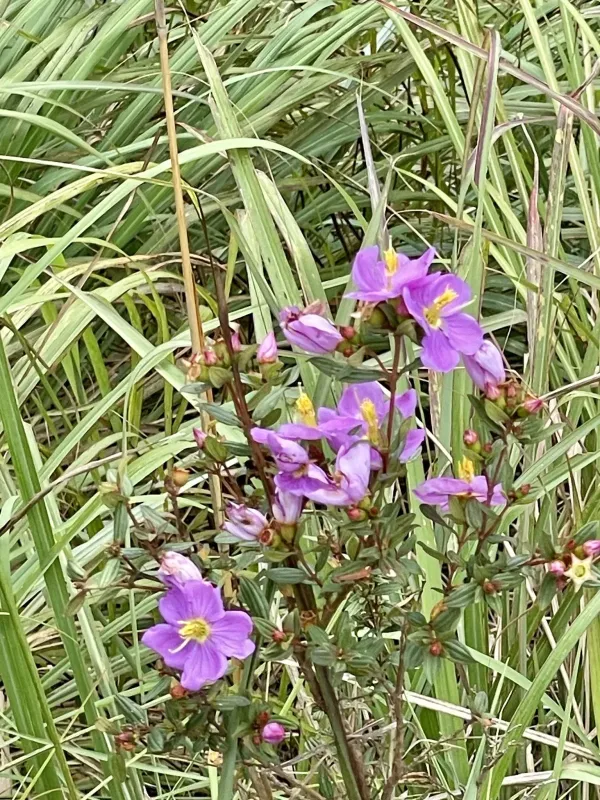
Description
Growing requirements
Osbeckia octandra is a woody shrub belonging to the Melastomataceae family, native to the tropical highlands of Sri Lanka. It is highly valued in traditional medicine, particularly for its hepatoprotective and antioxidant properties, which makes it a crop of specific interest.
The plant thrives in regions with tropical monsoonal climates. Successful cultivation requires acidic, well-draining, and nutrient-rich soils. Ensuring a soil pH between 5.5 and 6.5 is essential for optimal nutrient uptake and general plant vitality.
Temperature management is crucial as Osbeckia octandra does not tolerate frost or cold winds. The ideal temperature range for year-round development is between 20°C and 30°C. Maintaining consistent warmth is vital for secondary metabolite production.
Adequate hydration is necessary, but the root zone must remain aerated. In field conditions, farmers should ensure that water does not pool around the base of the plant, as the species is susceptible to root-associated pathogens when stressed by saturation.
Light exposure significantly influences flowering and leaf density. While the plant can tolerate partial shade, exposure to bright, indirect sunlight usually results in higher leaf yield, which is the primary part of the plant used for medicinal extraction.
Main diseases and pests
Pathogenic fungi pose the most significant risk to Osbeckia octandra crops, especially during the rainy season. Botrytis and various forms of root rot can spread rapidly if the canopy density is too high and humidity is uncontrolled.
Insect pests, including aphids and leaf-eating beetles, often target the tender shoots of the shrub. Integrated pest management (IPM) practices, including the use of neem oil and physical barriers, are recommended to protect the integrity of the foliage.
Soil-borne bacteria can cause wilting, particularly in poorly drained fields. Crop rotation with non-host species is essential to reduce the inoculum level of soil-borne diseases that can persist for several years in the substrate.
To prevent disease outbreaks, strict sanitation practices are necessary. This includes the removal of weeds that act as alternative hosts for pathogens and ensuring that harvesting tools are sterilized to prevent cross-contamination.
Monitoring for signs of nutrient deficiency is also part of plant health management, as stressed plants are significantly more susceptible to opportunistic diseases and pests compared to healthy, well-nourished ones.