
Osbeckia virgata
Osbeckia virgata
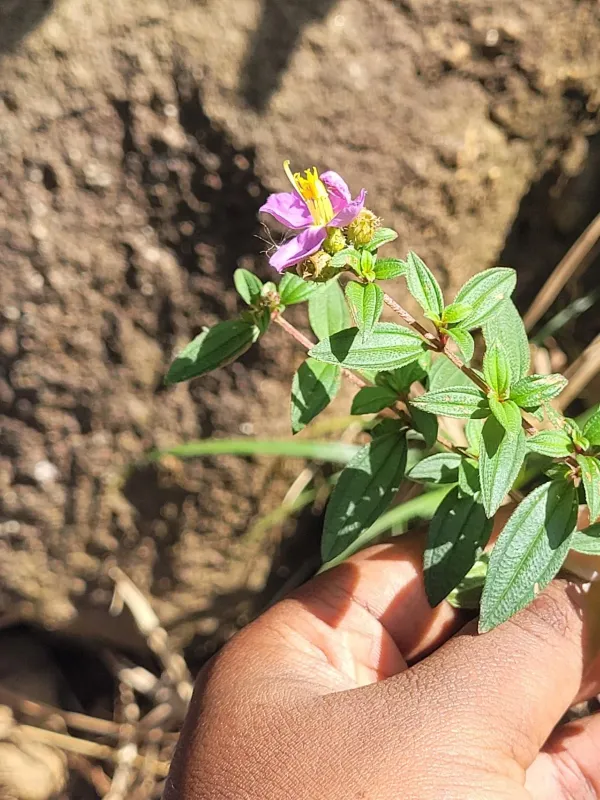
Description
Growing requirements
Osbeckia virgata is a perennial shrub belonging to the Melastomataceae family. This species is recognized for its distinctive growth habit and its botanical significance within tropical flora ecosystems.
Native to Southeast Asia, this plant thrives in tropical climates characterized by high annual rainfall and consistent temperatures. Its distribution is closely linked to its ability to adapt to varying light conditions within its native range.
The crop requires well-draining, slightly acidic soil to flourish. Poor drainage often leads to root hypoxia, which is the most common cause of crop failure during the initial development phases of cultivation.
Environmental requirements include consistent humidity levels and protection from cold winds. The plant is best suited for environments that mimic its natural forest-edge habitat, providing both light and shelter.
Cultural practices involve pruning to maintain shape and density. Regular maintenance helps in directing the plant's energy toward flower production, which is essential for its ornamental and biological value.
Main diseases and pests
Common pests affecting this species include mites and scale insects. These pests often target the underside of leaves, causing structural damage and reducing the overall vigor of the plant.
Fungal pathogens such as Pythium and Phytophthora pose a significant threat to the root system if the soil moisture levels are not strictly managed and controlled during cultivation.
In humid conditions, leaf spot diseases can emerge. It is essential to ensure adequate air circulation around the plants to prevent the colonization of leaves by pathogenic fungal spores.
Nutrient imbalances, particularly deficiencies in trace elements like iron or magnesium, can manifest as yellowing of the foliage, requiring immediate soil amendment and pH adjustment.
Integrated pest management (IPM) protocols are recommended to maintain plant health. This includes early detection of infestations and the use of targeted biological controls to minimize environmental impact.