
Osbeckia muralis
Osbeckia muralis
Description
Growing requirements
Osbeckia muralis is a distinguished member of the Melastomataceae family. This herbaceous plant is native to the tropical regions of South and Southeast Asia, where it thrives in humid, shaded environments and often colonizes hilly terrain or rocky outcrops.
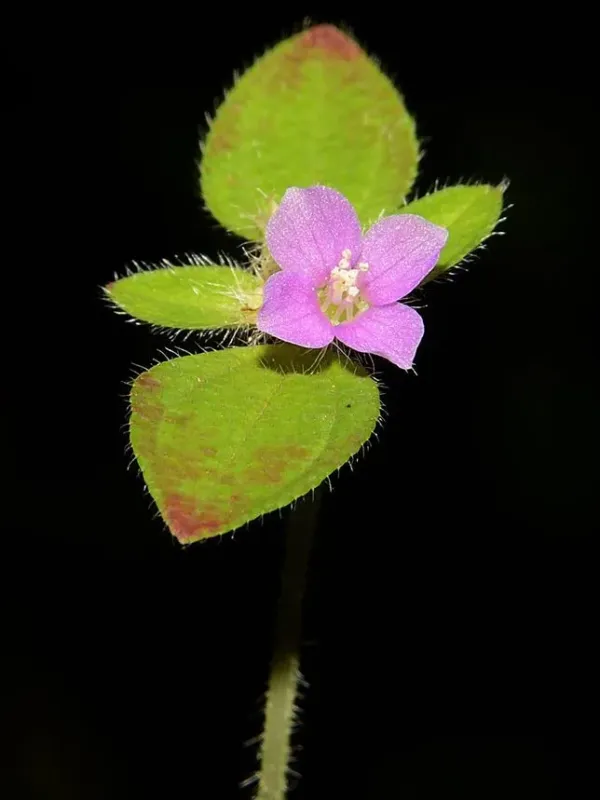
The botanical structure of the plant features opposite leaves with prominent acrodromous venation, a classic diagnostic trait of the Melastomataceae family. Its flowers are typically four-petaled, showcasing vibrant pink to purple hues that highlight the plant's aesthetic appeal.
Climate requirements for successful cultivation include consistent warmth and high ambient humidity levels. The plant is not frost-tolerant and requires protected growing conditions, such as greenhouses or climate-controlled botanical structures, to maintain optimal development.
Soil management is critical, as Osbeckia muralis necessitates a well-draining, nutrient-rich substrate. Preventing waterlogging is of utmost importance; therefore, the inclusion of perlite or coarse sand in the growing medium is recommended to facilitate proper aeration of the root system.
Cultural practices involve providing diffused lighting rather than direct, harsh sunlight, which can cause leaf scorch. Regular monitoring of the moisture levels in the substrate ensures that the plants remain healthy and vegetative growth is sustained throughout the active season.
Main diseases and pests
The primary threats to Osbeckia muralis in a commercial setting are fungal infections, particularly root rot caused by stagnant water. Ensuring a sterile growing environment and implementing a precise irrigation schedule are the most effective preventive measures.
Pest pressure is frequently observed from spider mites and aphids, which thrive in environments where humidity is not properly managed. These pests can rapidly compromise the health of the plant, necessitating immediate intervention with biological controls or mild acaricides.
Nematodes represent another significant risk, particularly when plants are grown in unsterilized soil. Implementing rigorous sanitation protocols, such as using pasteurized soil mixes and clean tools, is essential for maintaining a healthy and productive crop.
Early detection of disease symptoms, such as leaf spotting or yellowing, allows for selective pruning and removal of affected biomass. This practice helps to contain the spread of pathogens and maintain the overall vigor of the plant population.
Sustainable agronomic practices suggest the use of integrated pest management (IPM) strategies. By fostering healthy growing conditions and encouraging natural predatory insects, growers can significantly reduce their reliance on chemical treatments.