
Monolena
Monolena
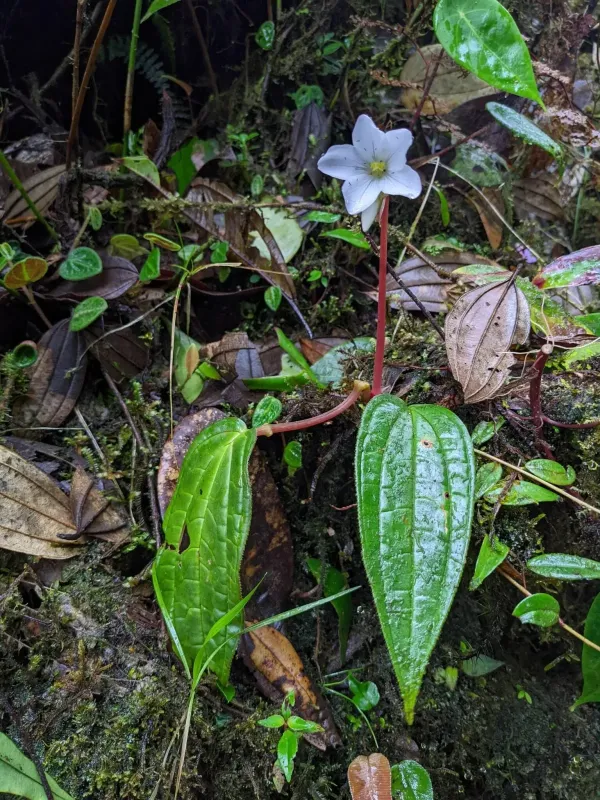
Description
Growing requirements
Monolena is a genus of perennial herbaceous plants belonging to the family Melastomataceae. These plants are native to the tropical rainforests of Central and South America, typically thriving on the forest floor where moisture is abundant.
To successfully cultivate Monolena, it is essential to replicate its natural environment by providing high humidity levels, ideally between 70% and 80%. This often necessitates the use of terrariums or humidifiers in home environments.
The potting medium must be porous and well-draining. A mix of sphagnum moss, orchid bark, and high-quality peat is ideal to ensure that roots receive sufficient oxygen while retaining the necessary moisture for growth.
Temperature stability is crucial for this genus. They prefer temperatures between 20°C and 26°C. They should be protected from cold drafts and sudden temperature fluctuations, which can cause significant stress to the foliage.
Monolena is primarily grown for its aesthetic value in ornamental horticulture. Its broad, prominently veined leaves make it a sought-after specimen for collectors of rare indoor tropical plants and greenhouse displays.
Main diseases and pests
Spider mites are the most common pest affecting Monolena, especially in environments where humidity is insufficient. These pests feed on the cell sap, causing the foliage to lose its healthy green color and develop stippling.
Root rot, caused by overwatering or poor drainage, remains the most frequent lethal threat to the plant. It is vital to ensure that the substrate is moist but never waterlogged to prevent fungal colonization of the root system.
Mealybugs can often hide in the crevices of the leaf stalks. Regular inspection of the plant is recommended, as early detection allows for physical removal using cotton swabs dipped in isopropyl alcohol.
Chlorosis, or yellowing of the leaves, is often a symptom of nutrient deficiency or the use of hard, alkaline water for irrigation. Using filtered or distilled water is highly recommended to maintain soil pH levels.
Direct exposure to sunlight causes rapid leaf scorching. While Monolena requires bright indirect light to maintain its striking coloration, even short periods of direct solar radiation can damage the plant tissues beyond recovery.