
Oxyspora
Oxyspora
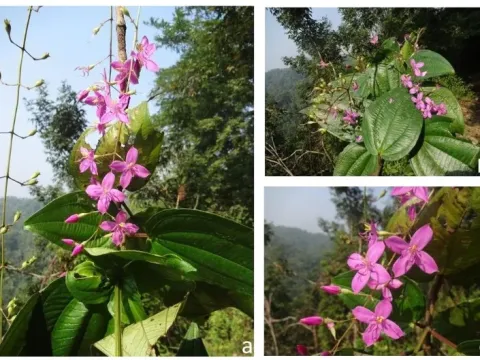
Oxyspora is a genus of evergreen shrubs belonging to the Melastomataceae family. These plants are characterized by their striking, prominently veined leaves and pendulous panicles of flowers, which make them highly sought after by collectors of exotic tropical foliage.
What the section contains

Oxyspora
The native distribution of Oxyspora encompasses the tropical mountainous regions of Asia, including the Himalayas and Southeast Asia. Being understory plants, they thrive in shaded environments where humidity remains consistently high throughout the year.
Cultivating Oxyspora requires strict climate control, typically requiring temperatures between 18°C and 26°C. They are highly intolerant to frost and cold drafts, making them suitable strictly for greenhouse or controlled indoor environments in non-tropical climates.
The soil for Oxyspora must be rich in organic matter and slightly acidic. Good drainage is non-negotiable; while the plant loves moisture, it is prone to root rot if the substrate remains waterlogged for extended periods, necessitating a porous, well-aerated medium.
Agrotechnical maintenance focuses on maintaining high atmospheric humidity levels, often through frequent misting or the use of humidifiers. Regular, moderate fertilization during the growing season is beneficial, but one must avoid fertilizers containing high levels of lime.
The most common pathogens affecting Oxyspora are soil-borne fungi that attack the root system, usually triggered by overwatering or compacted soil. Prevention is best achieved through the use of sterilized potting mixes and vigilant watering practices.
Pest management is primarily focused on spider mites and mealybugs, which thrive in indoor environments with low airflow and dry air. Regular inspection of the undersides of leaves and the application of organic insecticidal soaps are recommended for control.