
Pachycentria
Pachycentria
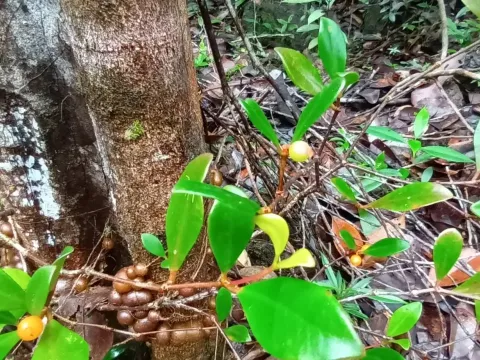
Pachycentria is a genus of epiphytic shrubs belonging to the Melastomataceae family. These plants are native to the tropical regions of Southeast Asia, where they typically grow as epiphytes on the bark of tall trees in rainforest environments.
What the section contains

Pachycentria
One of the most notable botanical features of this genus is its specialized root system, which includes tuberous structures that serve as storage organs for water and essential minerals. This adaptation allows the plant to survive in high-canopy environments where water access is sporadic.
In terms of cultivation, Pachycentria demands a stable, warm environment with high atmospheric humidity. Temperatures should ideally range between 22°C and 28°C throughout the year, as the plant is highly intolerant to cold stress and freezing conditions.
Proper substrate preparation is critical for the success of Pachycentria. Unlike terrestrial crops, it requires a well-aerated medium consisting of shredded bark, peat, and charcoal. This mix mimics the natural environment and ensures that the roots are not subjected to prolonged saturation.
From a хозяйственное usage perspective, Pachycentria is primarily maintained as an ornamental plant in botanical gardens and private specialized collections. It is not grown for agricultural or nutritional purposes, but it serves as an excellent model for studying epiphytic plant physiology.
The primary threats to Pachycentria are fungal and bacterial pathogens that flourish in stagnant or overly wet soil conditions. Root rot is the most common cause of plant failure, making drainage and air circulation the most important factors for health.
Common pests include spider mites and mealybugs, which thrive in low-humidity environments. Regular inspection of the undersides of leaves and maintaining optimal air circulation are essential practices to prevent these infestations and ensure the longevity of the plant.