
Chinese osbeckia
Osbeckia chinensis
Description
Growing requirements
Chinese osbeckia (Osbeckia chinensis) is a perennial herbaceous plant belonging to the Melastomataceae family. In its natural habitat, it often exhibits the growth habit of a small subshrub.
The crop thrives in warm, humid climates, requiring consistent moisture to maintain vigorous growth. It is highly sensitive to cold weather and is typically found in tropical and subtropical regions across Asia.
Cultivation requires well-drained, slightly acidic soil rich in organic matter. Proper soil management is essential to prevent waterlogging, which can easily lead to root stress in this specific species.
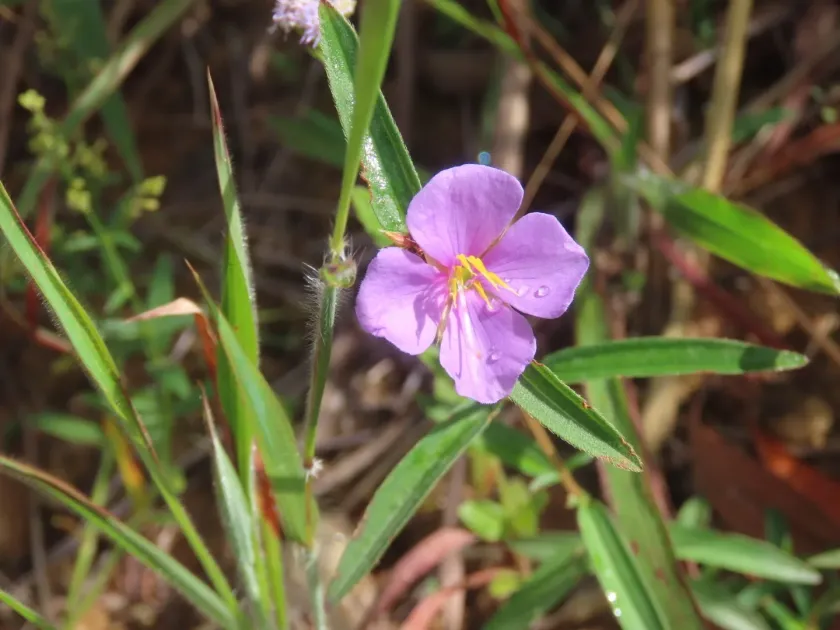
Botanical identification is straightforward due to its quadrangular stems and opposite leaves, which feature distinct longitudinal veins characteristic of the family. The flowers are terminal, often appearing in clusters with vibrant pink or violet petals.
The plant has significant value in traditional ethnopharmacology. It is harvested for its therapeutic properties, being utilized in various preparations aimed at treating inflammation and supporting overall wellness.
Main diseases and pests
The most common issues for this crop include fungal infections such as leaf spots and root rots, which are exacerbated by poor air circulation and excessive moisture in the cultivation environment.
Pests such as spider mites and aphids are frequently observed. These insects can quickly sap the plant's vitality, necessitating regular inspection and integrated pest management strategies to ensure a healthy harvest.