
Osbeckia aspera
Osbeckia aspera
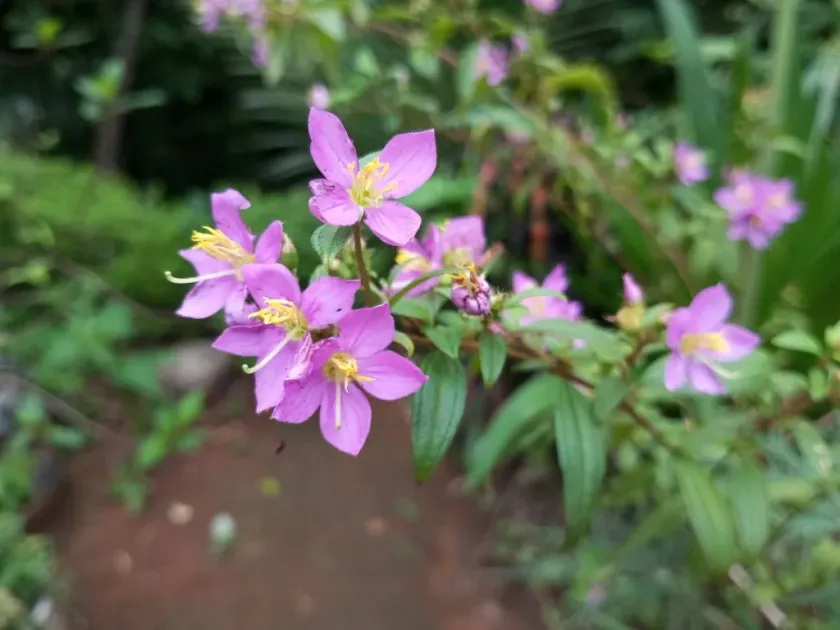
Description
Growing requirements
Osbeckia aspera is a perennial evergreen shrub belonging to the Melastomataceae family. It is native to the tropical regions of Asia, typically found in moist environments and forest clearings where rainfall is abundant throughout the year.
The plant is botanically recognized by its stiff, rough-textured stems and opposite leaves featuring characteristic longitudinal venation. These leaves are often slightly hairy, which provides a unique texture and appearance common to many species in the Melastome family.
Cultivation requires specific climatic conditions, primarily high ambient humidity and a consistent temperature range between 20°C and 28°C. The soil should be acidic, well-draining, and rich in organic matter to mimic the natural forest floor habitat.
Regarding light, Osbeckia aspera thrives in bright but indirect sunlight. Direct exposure during peak sunshine hours may stress the plant, necessitating the use of light shade cloths or positioning the plant in a location with filtered light.
In terms of usage, this plant is primarily utilized as an ornamental species in warm-climate gardens and conservatories due to its striking pink-purple flowers. Some traditional uses in local herbal medicine have also been documented, although it is not a major commercial agricultural crop.
Main diseases and pests
Root rot is the most common health issue for this plant, usually caused by overwatering or poor drainage systems. When the substrate remains waterlogged for extended periods, the root system begins to decay rapidly.
Pests such as spider mites and aphids are known to target Osbeckia aspera, particularly when the surrounding air is too dry. These insects congregate on the undersides of leaves, extracting nutrients and causing discoloration.
Effective management involves consistent monitoring of the plant’s foliage. Maintaining optimal humidity levels through occasional misting or using a humidifier can significantly reduce the pressure from mite infestations.
Fungal leaf spots can occur if airflow around the shrub is stagnant. Ensuring sufficient spacing between plants is crucial, especially in greenhouse environments where high humidity levels favor the spread of spores.
Sanitation is a critical part of the plant protection strategy. Regularly removing fallen leaves and pruning dead wood prevents the accumulation of decaying matter, which serves as a breeding ground for various pathogens.