
Pachycentria constricta
Pachycentria constricta
Description
Growing requirements
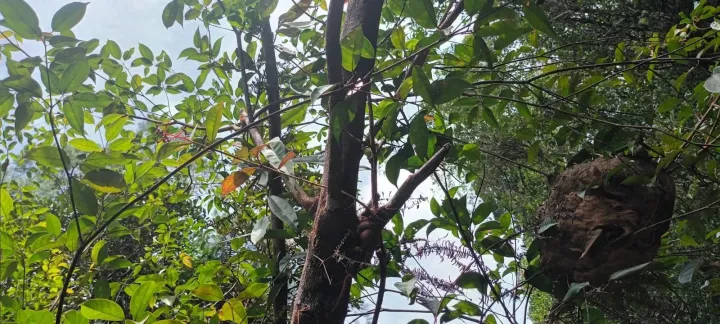
Pachycentria constricta is an intriguing species within the Melastomataceae family, recognized primarily for its epiphytic habit. Native to the dense, humid rainforests of Southeast Asia, it thrives high above the forest floor, anchored to the trunks and branches of tall tropical trees.
The plant exhibits distinct morphological adaptations, often displaying myrmecophilous traits. This means it frequently develops symbiotic relationships with ant colonies, providing them with nesting sites while benefiting from the nutrients provided by the ants' waste products.
Climatic requirements for this species are strictly tropical. It demands consistently high humidity levels, often exceeding 70-80%, and requires protection from cold drafts or temperatures that drop below typical tropical ranges. Stable year-round warmth is essential for vegetative health.
When cultivated, the soil medium must be highly specialized to mimic an arboreal environment. Standard potting soil is unsuitable; instead, a loose, airy mix of orchid bark, perlite, sphagnum moss, and charcoal is required to ensure proper root oxygenation and moisture retention.
Cultivation management involves careful monitoring of hydration. While the plant requires frequent watering to prevent dehydration, the roots are highly susceptible to rot if stagnant water remains. Providing proper drainage and airflow around the root system is the most critical aspect of long-term maintenance.