
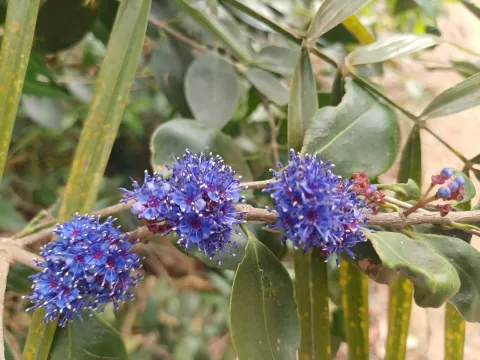
Memecylon
Memecylon
Memecylon is a diverse genus of shrubs and trees within the Melastomataceae family, native to tropical regions of the Old World. In their natural habitat, these plants regenerate via seeds that require specific conditions to germinate successfully.
What the section contains
 Memecylon caeruleum
Memecylon caeruleum
Memecylon caeruleum
 Memecylon cantleyi
Memecylon cantleyi
Memecylon cantleyi
 Memecylon capitellatum
Memecylon capitellatum
Memecylon capitellatum
 Memecylon confusum
Memecylon confusum
Memecylon confusum
 Memecylon edule
Memecylon engleranum
Memecylon engleranum
Memecylon edule
Memecylon edule
Memecylon engleranum
Memecylon engleranum
 Memecylon excelsum
Memecylon excelsum
Memecylon excelsum
 Memecylon floribundum
Memecylon floribundum
Memecylon floribundum
 Memecylon garcinioides
Memecylon garcinioides
Memecylon garcinioides
 Memecylon myrianthum
Memecylon myrianthum
Memecylon myrianthum
 Memecylon oleifolium
Memecylon oleifolium
Memecylon oleifolium
 Memecylon ovatum
Memecylon ovatum
Memecylon ovatum
 Memecylon umbellatum
Memecylon umbellatum
Memecylon umbellatum
 Narrow-leaved Memecylon
Memecylon angustifolium
Narrow-leaved Memecylon
Memecylon angustifolium
 Natal memecylon
Memecylon natalense
Natal memecylon
Memecylon natalense
Memecylon
Seed sowing in nursery settings is performed immediately after harvest, as seeds often lose viability rapidly. A well-draining, nutrient-rich soil medium is critical for seed beds to prevent rot and support delicate initial root development.
Germination is most successful when temperatures are kept constant between 25 and 30 degrees Celsius. Providing a humid, greenhouse-like environment significantly improves germination rates and the overall uniformity of the resulting seedling population.
Propagation through semi-hardwood cuttings is the preferred professional method for maintaining clonal consistency. Cuttings are treated with rooting hormones and placed under mist propagation systems to ensure adequate moisture levels for root initiation.
Young plants should be transplanted only when the root system is sufficiently developed to occupy the container. Proper spacing in nurseries is essential to allow for adequate airflow and prevent the development of damping-off diseases among dense seedling batches.
Memecylon species are strictly tropical plants that thrive in high-humidity environments. They require protection from temperatures below 15 degrees Celsius, as even brief cold spells can lead to irreversible damage or plant mortality.
The soil profile for optimal growth should be acidic to neutral in pH and highly porous. Excellent drainage is non-negotiable; while the plant enjoys moisture, standing water will inevitably lead to root decay and nutrient uptake failure.
Light requirements for Memecylon are best met by dappled sunlight or moderate shade, mimicking the forest understory. While some species can tolerate brighter conditions, direct exposure to harsh midday sun often causes leaf scorch and dehydration.
Maintaining high relative humidity is vital, especially when grown indoors or in greenhouse facilities. Regular misting or the use of automated humidification systems helps keep the foliage healthy and prevents the edges of the leaves from drying out.
Fertilization should be applied sparingly, using a balanced fertilizer suitable for tropical acid-loving plants. Over-fertilization can damage sensitive root hairs, so it is better to use lower concentrations more frequently throughout the growing season.
The economic value of Memecylon varies by species, with several members of the genus producing edible berries. These fruits are often gathered by local communities and contribute to regional dietary diversity in parts of Southeast Asia.
The foliage of various Memecylon species contains significant phytochemicals, including flavonoids and tannins, which are researched for potential pharmaceutical applications. Sustainable harvesting of leaves for herbal medicine is a developing area of interest.
In landscaping, these plants are highly regarded for their dense, glossy, and evergreen foliage. They are widely used as ornamental shrubs for hedge formation and topiary in tropical climates, providing year-round aesthetic value to public and private gardens.
Some species produce hard and durable timber, which is occasionally utilized for high-quality small woodcraft and tool handles. However, due to the slow growth rate of the trees, mass timber production is not considered commercially viable.
Productivity in agricultural settings is optimized through advanced irrigation management and consistent pest monitoring. Integrated management practices ensure that the plant continues to produce high-quality foliage or fruit throughout the harvest season.
Fungal diseases represent the most significant threat to Memecylon in controlled environments. Root rot, caused by excessive moisture and poor drainage, is the leading cause of plant loss, often appearing after extended periods of cloudy or humid weather.
Leaf spot diseases frequently occur when air circulation is inadequate. These fungal infections cause necrotic spots on the leaves, leading to premature defoliation if not addressed through improved ventilation or fungicidal treatment.
Pests such as scale insects and mealybugs are persistent challenges. These sap-sucking insects weaken the plant by extracting vital nutrients and secreting honeydew, which attracts secondary infections like sooty mold that covers the leaves.
Spider mites are particularly problematic during the drier months or in poorly ventilated greenhouse zones. They thrive in low humidity, causing fine webbing and chlorotic spotting that significantly hampers the plant's photosynthetic capacity.
Effective pest and disease control requires proactive monitoring and strict adherence to sanitation protocols. Pruning away infected branches and maintaining optimal environmental conditions are the most sustainable ways to ensure the longevity of the plant.