
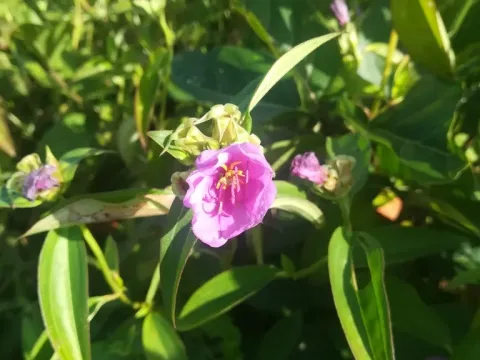
Melastomastrum
Melastomastrum
Melastomastrum is a genus of flowering plants belonging to the family Melastomataceae. These are primarily shrubby or herbaceous plants native to the humid tropical regions of the African continent.
What the section contains

Melastomastrum
This crop requires specific environmental conditions that closely mimic tropical habitats. The plant thrives in well-drained, yet consistently moist acidic soils that are rich in organic matter. A crucial factor for successful cultivation is protection from harsh direct sunlight and the maintenance of high humidity levels throughout the growing season.
Botanically, the genus is distinguished by its unique leaf venation pattern, which is typical of all Melastomataceae: acrodromous veins running parallel to the leaf margin. The flowers are generally clustered in inflorescences and possess vivid coloration, making them notable both biologically and for potential ornamental purposes.
In its natural habitat, Melastomastrum is found in the understory of moist forests and at the edges of wetlands. It shows high adaptability to partial shade, which defines its ecological niche. The temperature must remain stable, as the culture is highly sensitive to cold stress and drastic climate fluctuations.
The agricultural or commercial use of this plant is currently limited; however, it remains a subject of interest for botanical gardens and selective breeding. Research is also being conducted into the phytochemical profile of its leaves, which have been historically utilized by indigenous populations in traditional herbal practices.