
Memecylon garcinioides
Memecylon garcinioides
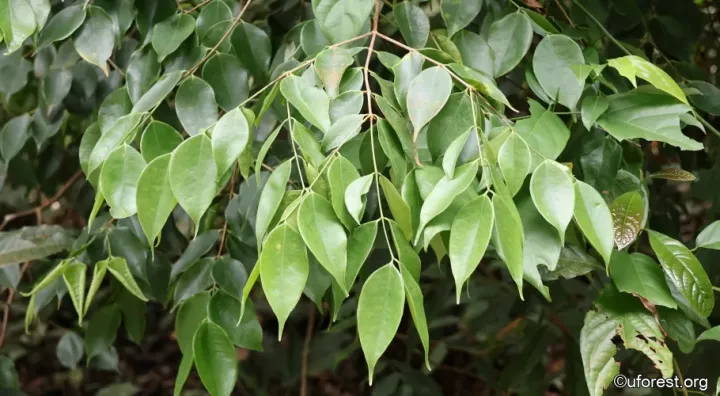
Description
Growing requirements
Memecylon garcinioides is a woody plant belonging to the Melastomataceae family, native to the tropical forests of Southeast Asia. This species is known for its ecological adaptation to humid, warm environments with high rainfall patterns.
The plant thrives in regions that maintain stable tropical temperatures throughout the year. It does not possess significant frost tolerance, making its cultivation restricted to tropical zones where climate conditions are consistent.
Regarding soil requirements, the species prefers fertile, well-drained loams with a slightly acidic pH. Proper soil aeration is essential to prevent root asphyxiation, as the species is highly sensitive to waterlogged conditions.
Botanically, it is characterized by opposite, leathery leaves with distinct venation patterns typical of the Melastomataceae family. Its small, often colorful flowers add to the aesthetic value of the shrub or small tree in its natural habitat.
Economic applications for Memecylon garcinioides include the utilization of its wood for local construction purposes and handicraft production. Furthermore, certain parts of the plant are recognized in traditional practices for their bioactive properties.
Main diseases and pests
Fungal root rot represents the most significant threat to the health of Memecylon garcinioides in agricultural settings. This condition is primarily induced by poor soil drainage and excessive moisture accumulation.
Pests such as aphids and spider mites frequently target the tender young foliage, potentially stunting the growth of the plant. Regular monitoring is recommended to ensure that infestations do not reach critical levels.
Lepidopteran larvae can cause substantial defoliation if left unchecked, significantly reducing the vigor of the trees. Integrated pest management strategies are often implemented to mitigate these biological pressures.
Bacterial infections of the bark are a risk factor following mechanical injury or improper pruning practices. Using sanitized equipment is a mandatory practice for maintaining the long-term health of the plantation.
Environmental stress, such as extended dry periods, may lead to leaf drop and decreased resistance to secondary infections. Maintaining optimal soil moisture through irrigation is crucial for sustaining a healthy and productive crop.