
Memecylon caeruleum
Memecylon caeruleum
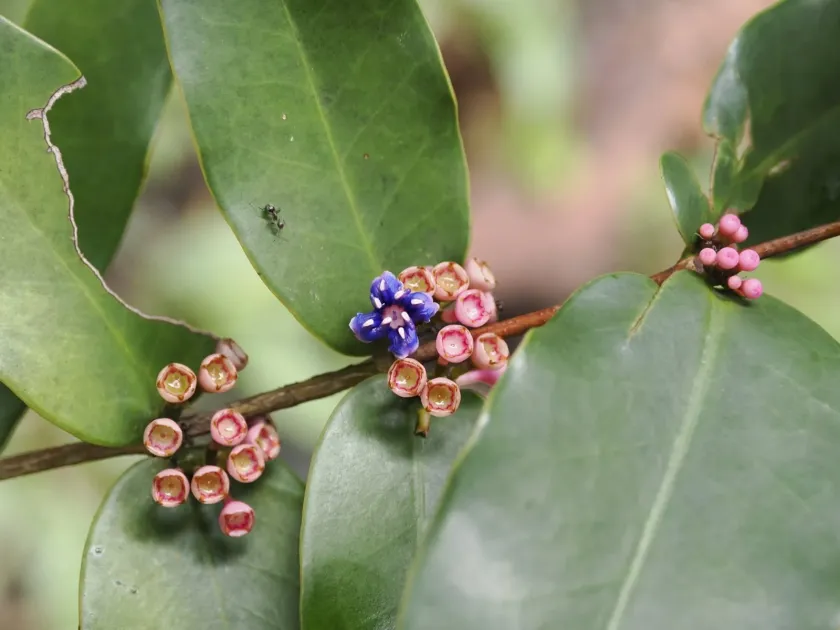
Description
Growing requirements
Memecylon caeruleum is an evergreen shrub or small tree belonging to the family Melastomataceae. Originating from tropical environments in Asia, it is highly valued for its distinct botanical characteristics and aesthetic appeal in tropical landscapes.
The plant thrives in regions with consistently high humidity and warm temperatures. It requires a bright location but is adapted to the filtered light typical of forest understory habitats, making shade management essential in cultivation.
Optimal soil conditions include well-draining, nutrient-rich substrates that mimic natural forest soils. It is crucial to ensure excellent aeration to prevent root hypoxia, which is a common issue for this species in heavy or compacted soils.
Agricultural management of Memecylon caeruleum involves precise irrigation practices to keep the root zone moist without causing saturation. Regular soil testing is recommended to maintain the slightly acidic pH preferred by this genus.
In terms of distribution, the plant is primarily found in tropical ecosystems where it plays a role in local biodiversity. Its cultivation is limited to zones that can provide stable tropical conditions year-round.
Main diseases and pests
Common pests affecting Memecylon caeruleum include sap-sucking insects like mealybugs and spider mites, which can rapidly multiply in controlled greenhouse or tropical garden environments.
Fungal pathogens represent a major threat, particularly during periods of high humidity and low air movement, leading to severe leaf spot diseases and root decay issues.
Effective pest and disease control strategies prioritize early detection through routine scouting and the application of targeted biological or chemical agents when threshold levels are exceeded.
Ensuring proper spacing and ventilation between plants is a fundamental cultural practice that helps mitigate the risks of pathogen development in high-density plantings.
Maintaining a balanced nutritional program strengthens the plant's natural resistance, making it more robust against common environmental stressors and opportunistic infections.