
Memecylon myrianthum
Memecylon myrianthum
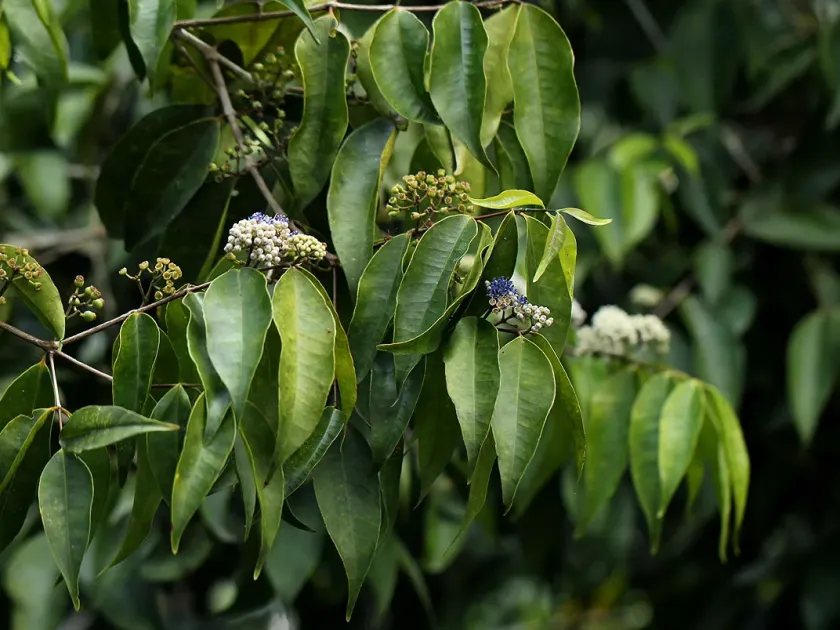
Description
Growing requirements
Memecylon myrianthum is a woody plant belonging to the Melastomataceae family, native to tropical regions where it thrives under forest canopies. It is highly valued for its dense foliage and unique physiological adaptations to humid tropical climates.
Environmental conditions require consistent temperatures ranging from 22°C to 30°C to ensure optimal plant health. High atmospheric humidity is essential, as the plant lacks effective drought-tolerance mechanisms, making it suitable mainly for moist environments.
The soil profile for this crop should be fertile, well-draining, and slightly acidic to neutral in pH. Enriching the soil with organic compost is a recommended practice to promote vigorous growth and improve nutrient uptake during the active growing season.
Agricultural management includes site selection with partial shade, as intense direct sunlight can scorch the leaves of younger specimens. Regular irrigation is required, particularly during dry spells, to maintain the turgor pressure of the leaves.
Botanically, the plant presents leathery leaves and specific flower morphology common to the genus. In agricultural systems, it serves multiple functions, ranging from ecological restoration to the production of specialized botanical extracts.
Harvesting
Harvesting strategies are highly dependent on the target biological material, whether it is fruits, leaves, or secondary metabolites. Skilled labor is generally required to perform selective harvesting without causing structural damage to the plant.
Timing the harvest is critical to ensure peak concentration of the desired active compounds within the plant tissues. Usually, harvesting occurs during the early morning hours when the plant's metabolic activity is stable and moisture levels are favorable.
Post-harvest handling involves cleaning and cooling the raw materials immediately to prevent degradation by microorganisms. Proper ventilation during transit and storage is a mandatory practice for tropical agricultural products of this nature.
Modern processing techniques, such as cold-pressing or enzymatic extraction, are often applied shortly after harvesting to stabilize the yield. Efficient logistics are essential to bridge the gap between rural harvest sites and processing facilities.
The economic value of this species is tied to its application in traditional medicine and the cosmetic industry. Further research into sustainable harvesting techniques remains a priority for optimizing its yield in commercial operations.