
Memecylon cantleyi
Memecylon cantleyi
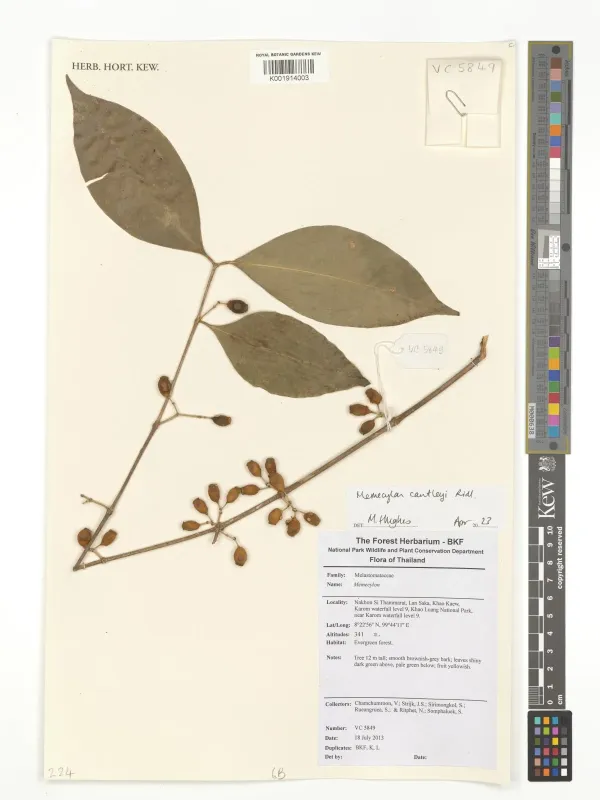
Description
Growing requirements
Memecylon cantleyi is a woody shrub species belonging to the Melastomataceae family. As an evergreen plant native to tropical rainforest understories, it naturally thrives in environments characterized by high humidity levels and constant shading.
Successful cultivation of this species requires well-drained, fertile soils with a slightly acidic to neutral pH level. The plant is highly sensitive to waterlogging, making proper drainage management around the root zone a critical aspect of its agricultural care.
Climate preferences for Memecylon cantleyi include consistently warm temperatures without significant seasonal changes. The optimal growth temperature range is between +22°C and +30°C. The plant cannot tolerate frost and needs protection from direct, intense sunlight, preferring dappled or filtered light conditions.
The economic and agricultural utility of this species is primarily focused on ornamental gardening and landscaping within tropical regions. Because of its dense, leathery foliage and aesthetic flower clusters, it is often utilized to create lush hedges and decorative park borders.
Biological features include a slow growth rate during the initial development years and a strong dependency on maintaining a specific microclimate. Maintenance involves regular application of organic fertilizers and ensuring high ambient humidity, positioning it as a niche plant for specialized nurseries.
Main diseases and pests
Major threats to Memecylon cantleyi include fungal infections that develop under conditions of excessive moisture and poor air circulation. Effective prevention depends on ensuring proper aeration of the planting site and performing timely sanitary pruning of the foliage.
Pests common to this species include scale insects and mealybugs, which may damage young leaves. Control measures involve the application of systemic insecticides that are approved for use on ornamental plants in order to protect the health of the cultivation.