
Memecylon confusum
Memecylon confusum
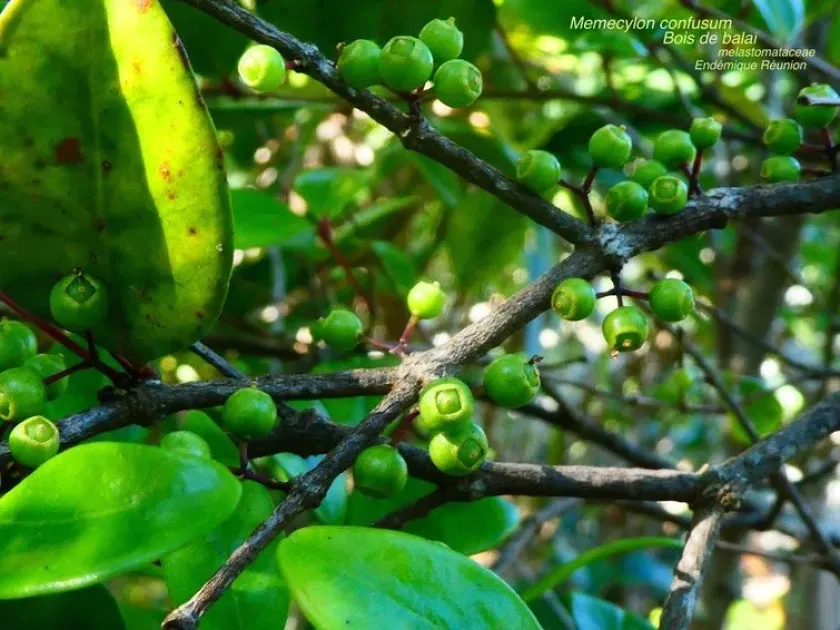
Description
Growing requirements
Memecylon confusum is a perennial evergreen shrub or small tree belonging to the family Melastomataceae. Native to the humid rainforest regions of Sri Lanka, this plant is known for its distinct physiological adaptations to tropical forest understories.
The climatic requirements for this species are strict, demanding high humidity levels and a consistently warm environment throughout the year. It does not tolerate cold exposure, and even minor drops in temperature below the tropical norm can prove detrimental to its health.
For soil cultivation, the plant thrives in acidic, well-draining substrates rich in organic matter. Proper aeration is essential, as the root system of Memecylon species is susceptible to suffocation in heavy, compacted soils that do not allow for adequate drainage.
Light management is crucial, as the plant typically exists in shaded forest habitats. Exposure to direct, harsh sunlight can damage the leaves; therefore, growers should utilize shading systems to provide diffused light, reflecting its natural evolutionary niche.
Watering frequency should be carefully managed to keep the soil consistently moist but never waterlogged. Utilizing water with a balanced pH is recommended to prevent mineral buildup in the growing medium, which could interfere with nutrient uptake.
Main diseases and pests
Primary health risks include fungal infections that manifest as leaf spotting, often triggered by insufficient air circulation. Maintaining a clean growing environment and managing humidity levels are the best defenses against these common fungal pathogens.
Pest threats typically involve sap-sucking insects like mealybugs and scale insects, which target the nutrient-rich tissues of the stems and leaves. Early detection through regular monitoring and manual removal are effective strategies for small-scale cultivation.