
Memecylon capitellatum
Memecylon capitellatum
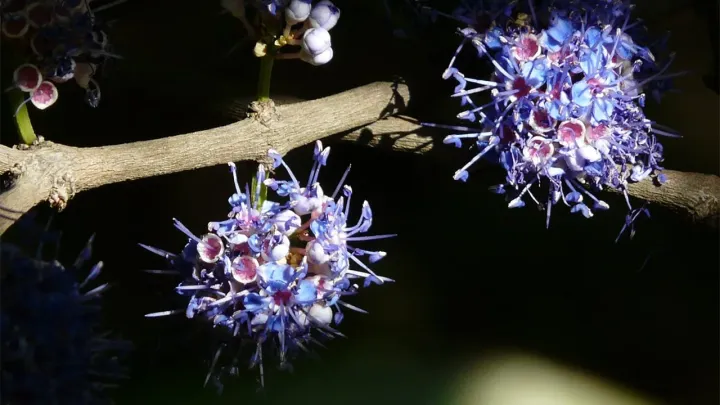
Description
Growing requirements
Memecylon capitellatum is an evergreen shrub or small tree belonging to the Melastomataceae family. It is native to the tropical regions of South Asia, specifically thriving in the humid forest environments of Sri Lanka and India.
The plant requires a stable tropical climate characterized by high humidity and warm temperatures. Ideally, the ambient temperature should remain between 22°C and 30°C throughout the growing season, as the species is highly sensitive to frost.
Soil requirements are quite specific; the plant prefers well-drained, fertile soil with a slightly acidic to neutral pH. Proper soil structure is essential to prevent waterlogging, which the plant is intolerant to.
As a sub-canopy species in its natural habitat, Memecylon capitellatum performs best in partial shade. Excessive exposure to direct midday sun can result in leaf scorching, particularly in younger specimens that have not yet established a deep root system.
Cultural practices include consistent irrigation during the dry season and the application of organic mulch to maintain stable root zone temperature and moisture levels. Regular, light pruning helps in maintaining a manageable shape and structure.
Main diseases and pests
The primary threats to Memecylon capitellatum include various fungal pathogens that flourish in high-humidity environments. Root rot is the most common issue, typically stemming from poor drainage or over-irrigation.
Pests such as mealybugs and spider mites represent significant risks, especially for plants grown in sheltered conditions or greenhouses. Regular monitoring and early identification are essential to control infestations before they spread.
Nutrient deficiencies, specifically magnesium or iron, can manifest as chlorosis on the leaves, reducing the plant's overall vigor. Implementing a balanced fertilization schedule is key to preventing these developmental issues.
Leaf-eating caterpillars can cause seasonal damage, particularly during periods of rapid vegetative growth. Integrated pest management, emphasizing biological controls, is preferred over the use of harsh synthetic pesticides.
- Root rot (fungal pathogens).
- Mealybugs.
- Spider mites.
- Chlorosis (nutrient imbalance).
- Leaf-eating caterpillars.
Harvesting
Harvesting Memecylon capitellatum is primarily focused on the leaves, which are valued for their traditional medicinal and pharmacological potential. Leaves are harvested by hand during early morning hours to preserve the integrity of heat-sensitive compounds.
The fruits, small berries, are harvested upon reaching full maturity. Post-harvest, fruits must be processed immediately to prevent spoilage, as their high moisture content makes them prone to rapid fermentation.
Drying of the leaves is conducted in shaded, well-ventilated areas to ensure the degradation of volatile compounds is minimized. This method is critical for maintaining the high quality of the raw plant material for further pharmaceutical extraction.
Pruning is integrated into the harvest cycle to encourage bushier growth and increase the total yield of vegetative biomass. Strategic cuts are made to remove old wood, thereby facilitating the emergence of new, healthy shoots.
Production management involves strict quality control protocols, ensuring the botanical material remains free from contaminants. This attention to detail is essential for producing standardized herbal extracts.