
Memecylon umbellatum
Memecylon umbellatum
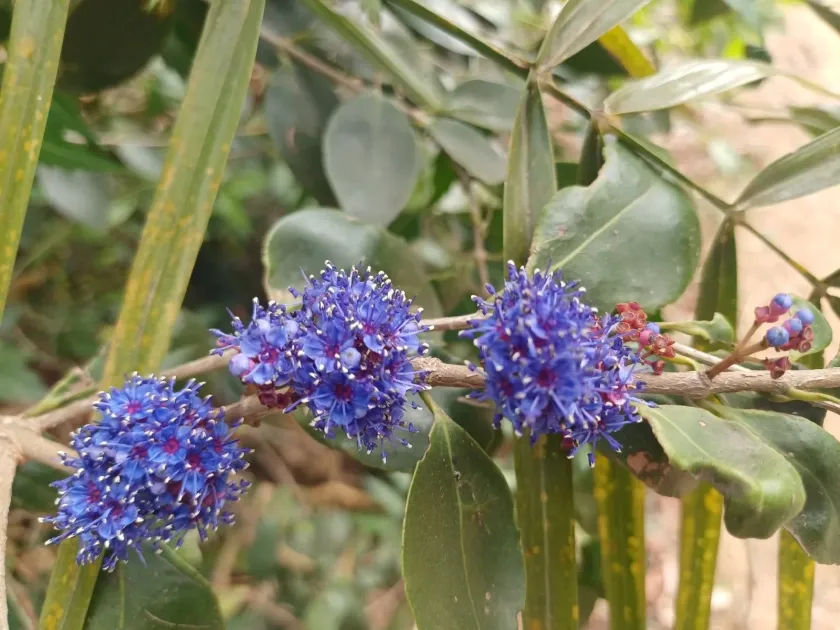
Description
Growing requirements
Memecylon umbellatum is an evergreen shrub or small tree belonging to the family Melastomataceae. It is native to the tropical regions of South and Southeast Asia, flourishing in environments that provide consistent humidity and warmth.
Climate requirements include a tropical environment with temperatures typically ranging from 20 to 30 degrees Celsius. The plant thrives in areas with distinct monsoon seasons, which provide the high levels of precipitation necessary for vegetative growth.
Soil conditions are critical for the health of this species. It prefers well-drained, fertile soil that prevents waterlogging, as the roots are susceptible to decay if kept in stagnant, excessively wet environments for prolonged periods.
Agricultural management involves regular weeding and the application of mulch to conserve soil moisture. Young plants require partial shade to avoid heat stress, while mature specimens can tolerate exposure to more direct sunlight.
The economic use of this plant is multifaceted. The fruits are consumed in local diets for their nutritional value, while the leaves contain therapeutic compounds used in traditional medicine to treat various inflammatory conditions.
Main diseases and pests
The primary threats to Memecylon umbellatum include soil-borne fungal pathogens that target the root system, particularly in heavy or waterlogged soil types.
Pest issues often involve sap-sucking insects like scales and aphids. These pests can significantly stunt the growth of young trees if left unmanaged in plantation environments.
Preventive strategies include maintaining proper spacing between trees to encourage airflow, which significantly reduces the risk of fungal leaf spots and mold development.
Integrated pest management, focusing on biological control and manual monitoring, is recommended to ensure the harvest remains free of chemical residues.
Invasive weed species can also compete with the shrub, necessitating consistent clearing of the undergrowth to ensure nutrient availability for the crop.