
Memecylon floribundum
Memecylon floribundum
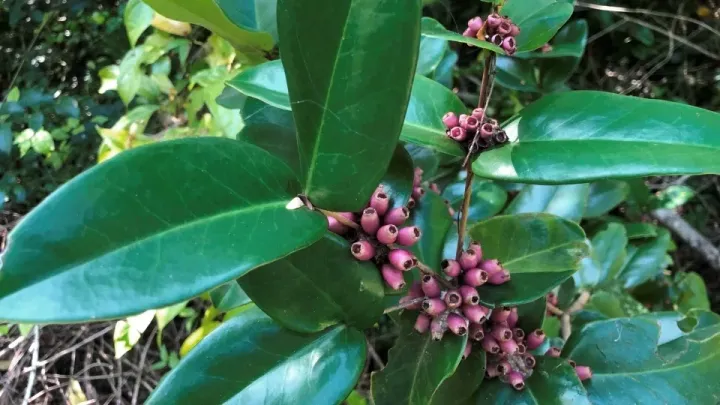
Description
Growing requirements
Memecylon floribundum is a distinct species belonging to the Melastomataceae family, known for its dense evergreen foliage and vibrant flowering patterns. As a tropical woody plant, it thrives in environments that mimic its natural habitat in the dense, humid forests of South and Southeast Asia.
The plant requires a strictly tropical climate to achieve optimal growth, typically demanding constant warm temperatures and protection from even the mildest frost. It is best suited for cultivation in regions where humidity levels remain high throughout the year, supporting the physiological needs of the plant.
Regarding soil requirements, Memecylon floribundum performs best in well-draining, slightly acidic substrates. It is essential to avoid waterlogged conditions, which can lead to rapid root rot; therefore, planting in raised beds or well-prepared sandy-loam soils is highly recommended.
Agronomic management should prioritize consistent moisture levels and periodic nutrient supplementation. Using balanced NPK fertilizers during the growing season helps maintain leaf luster and promotes the development of the characteristic dense flower clusters that define the species.
Commercially, the species is valued for its horticultural potential and its role in traditional ecosystems. Its wood and foliage are often harvested on a small scale for local medicinal applications, making it a plant of interest for niche botanical research and sustainable forest management.
Main diseases and pests
Common threats to the crop include fungal leaf spot diseases, which are exacerbated by high humidity and stagnant air. Implementing proper spacing between individual plants is the most effective cultural method to reduce the humidity trapped within the plant canopy.
Pest management focuses primarily on controlling sap-sucking insects, such as mealybugs and scale insects. Regular monitoring of the underside of the leaves and the stems allows for early intervention before infestations reach levels that could compromise the plant's structural health.