
Memecylon edule
Memecylon edule
Description
Growing requirements
Memecylon edule is a notable species within the Melastomataceae family, known for its small to medium-sized evergreen shrub habit. Native to the tropical regions of India and Sri Lanka, it thrives in warm, humid climates characteristic of tropical coastal and forest environments.
The plant requires consistent warmth and protection from frost to sustain healthy growth. It performs best in well-draining, nutrient-rich soils that retain moisture without becoming waterlogged, mirroring its natural successional role in forest understories.
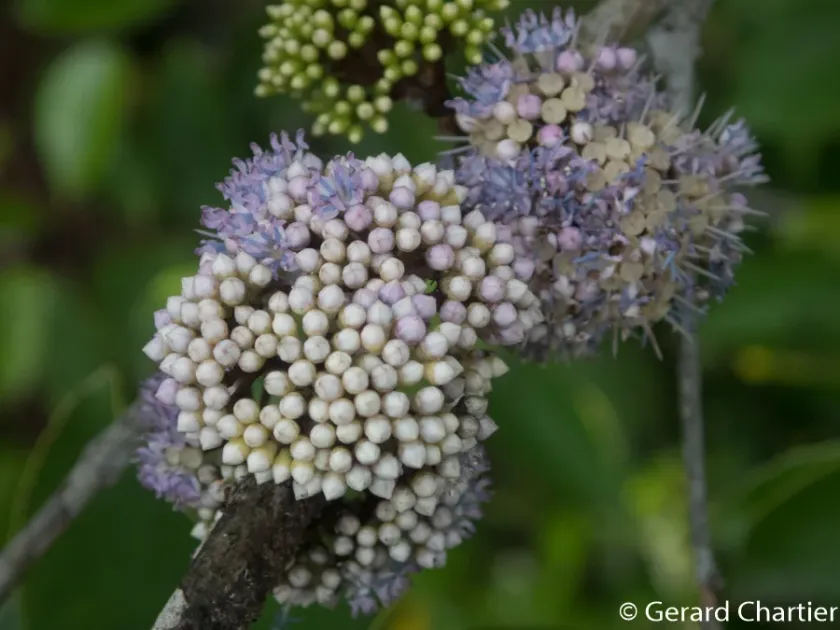
Aesthetically, the plant is distinguished by its leathery, glossy leaves and vibrant blue flower clusters, which bloom periodically throughout the growing season. The development of these flowers is highly dependent on light intensity, though filtered sunlight is preferred over intense, direct rays.
Agronomic management focuses on maintaining soil moisture and ensuring proper fertilization during the active growing phase. The species is relatively resilient to minor pests but requires monitoring for fungal issues when humidity levels remain stagnant in poorly ventilated spaces.
Economically, Memecylon edule is valued for its small, edible berries that possess a sweet-tart profile. Beyond food, the leaves are traditionally prized for their ability to produce dyes, serving the local textile and craft sectors in South Asia for generations.
Harvesting
Harvesting Memecylon edule requires patience and attention to the fruit's maturation color. As the berries transition from green to deep purple or black, the sugar content increases, indicating they are ready for collection.
Due to the small size of the fruits, mechanical harvesting is impractical; therefore, labor-intensive hand-picking remains the standard method. This manual process allows for the selective harvesting of only the ripest berries, ensuring high quality for end users.
Post-harvest care involves immediate cooling and careful handling to prevent bruising, as the berries have thin skins. When managed correctly, the harvested crop can be processed into jams, beverages, or dried products that preserve the unique flavor and color pigments of the plant.
Yield consistency depends on the plant’s access to nutrients and irrigation throughout the year. Growers often space trees systematically to ensure maximum airflow and sunlight exposure, which correlates positively with higher fruit production cycles.
Finally, the harvest serves multiple purposes beyond the culinary industry, as the intense pigments in the berries and foliage are highly sought after for natural color extraction, cementing the plant's importance as both a food and industrial resource.