
Medinilla
Medinilla
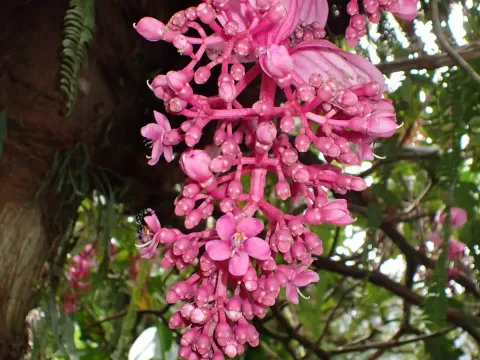
Medinilla is a genus of evergreen shrubs and epiphytes belonging to the Melastomataceae family. With approximately 400 species, this genus is widely recognized for its spectacular inflorescences, particularly the popular Medinilla magnifica.
What the section contains
 Medinilla assamica
Medinilla assamica
Medinilla assamica
 Medinilla cumingii
Medinilla cumingii
Medinilla cumingii
 Medinilla fengii
Medinilla fengii
Medinilla fengii
 Medinilla himalaiana
Medinilla himalaiana
Medinilla himalaiana
 Medinilla hybrid
s
Medinilla hybrid
Medinilla hybrids
 Medinilla maculata
Medinilla maculata
Medinilla maculata
 Medinilla mirabilis
Medinilla mirabilis
Medinilla mirabilis
 Medinilla myriantha
Medinilla myriantha
Medinilla myriantha
 Medinilla rubicunda
Medinilla rubicunda
Medinilla rubicunda
 Medinilla scortechinii
Medinilla scortechinii
Medinilla scortechinii
 Medinilla speciosa
Medinilla speciosa
Medinilla speciosa
 Medinilla venosa
Medinilla venosa
Medinilla venosa
Medinilla
The plant originates from the tropical regions of Africa, Asia, and the Pacific islands. Thriving in high-humidity environments, Medinilla often grows as an epiphyte in nature, attaching itself to trees, which dictates its specific needs for substrate aeration and moisture.
Botanically, the plant is characterized by large, leathery, opposite leaves with prominent longitudinal veins. The most striking feature is the pendulous inflorescence, which consists of small flowers protected by large, showy, pink or red bracts.
Cultivation requires bright, indirect light, as direct sunlight can easily scorch the foliage. The ideal temperature range for active growth is between 20°C and 25°C, with a strict requirement to avoid cold drafts or sudden temperature drops.
Humidity is the most critical factor for success; levels must be maintained consistently above 70%. The potting medium should be a coarse, acidic, and well-draining mixture, typically composed of orchid bark, peat moss, and charcoal to replicate an epiphytic environment.
The most common pests affecting Medinilla are spider mites, mealybugs, and scale insects. These pests often thrive in environments with low humidity, so regular misting and leaf hygiene are essential preventative measures against infestations.
Root rot caused by overwatering or poor drainage is a frequent threat to the plant's health. To mitigate this risk, it is important to allow the surface of the growing medium to dry slightly between waterings while ensuring the plant is never left sitting in water.