
Medinilla venosa
Medinilla venosa
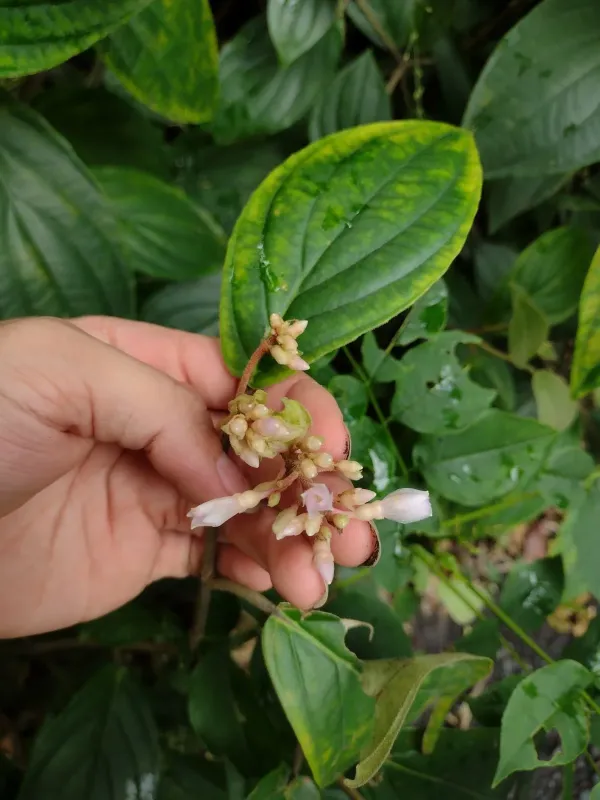
Description
Growing requirements
Medinilla venosa belongs to the Melastomataceae family, known for its striking foliage and ornamental growth habit. As an evergreen shrub, it exhibits unique botanical traits that distinguish it within its natural habitat.
The species originates from the tropical rainforests of Indonesia, particularly Sulawesi. It thrives in humid, shaded environments where it often grows as an epiphyte or in nutrient-rich forest litter, adapting well to low-light conditions.
Cultivation requires a specialized growing medium that mimics tropical forest floors. A mixture consisting of orchid bark, peat moss, and perlite is ideal for ensuring sufficient drainage and aeration for the delicate root system.
Temperature management is critical for this species. It requires consistent warmth, ideally between 20 and 25 degrees Celsius. Cold drafts or sudden thermal shocks will lead to leaf drop and severe stress for the plant.
Humidity is perhaps the most significant factor in successfully maintaining Medinilla venosa. Keeping ambient humidity levels above 70 percent, combined with regular, careful watering, is essential for optimal development.
Main diseases and pests
Mealybugs are a common pest that can severely damage the plant by feeding on its sap. These pests often congregate in leaf axils and on the undersides of leaves, requiring manual removal or systemic insecticides.
Spider mites pose a significant threat during periods of low humidity. They can quickly cause discoloration and stippling on the leaves, leading to a decline in the plant's overall health and photosynthetic capacity.
Root rot is the most common physiological disorder caused by improper watering techniques. Excess moisture in the soil prevents roots from breathing, creating a perfect environment for soil-borne pathogens to thrive.
Leaf spot diseases, often fungal in origin, appear when water stays on the foliage for extended periods in stagnant air. Ensuring good airflow around the plant is vital to preventing these unsightly lesions.
Managing threats effectively involves regular monitoring and preventative care. Maintaining hygiene in the cultivation area and strictly adhering to watering schedules are key strategies for avoiding widespread infestation.