
Melastoma
Melastoma L.
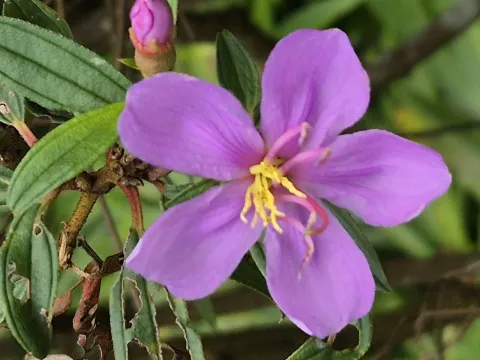
Melastoma L. is a genus of evergreen shrubs belonging to the Melastomataceae family. These plants are characterized by their striking, large flowers and foliage marked by prominent longitudinal leaf veins, making them highly recognizable in tropical botany.
What the section contains

Melastoma
The native distribution of this culture encompasses the tropical and subtropical zones of Asia, Oceania, and Northern Australia. They thrive in forest margins and humid environments where the climate remains consistently warm throughout the year.
In terms of soil requirements, Melastoma prefers acidic, well-draining, and nutrient-rich substrates. Proper moisture management is essential, as the plant roots are susceptible to decay if the soil remains constantly waterlogged.
Climate adaptability is limited; the plant requires temperatures ranging between 18°C and 26°C. It is highly sensitive to frost and cold drafts, necessitating controlled environments such as greenhouses or conservatories in non-tropical regions.
The primary agricultural and horticultural utility of Melastoma is ornamental. Due to its aesthetic appeal, it is widely used in landscape design to provide color and textural interest in tropical gardens and sheltered botanical collections.
The most common pathologies affecting the plant include various fungal infections, notably powdery mildew and root rot. These diseases are often the result of excessive soil moisture and poor airflow around the foliage.
Pest threats primarily include spider mites, scale insects, and mealybugs. These pests flourish in dry environments, making it necessary to maintain adequate ambient humidity to minimize the risk of infestation and plant stress.