
Medinilla fengii
Medinilla fengii
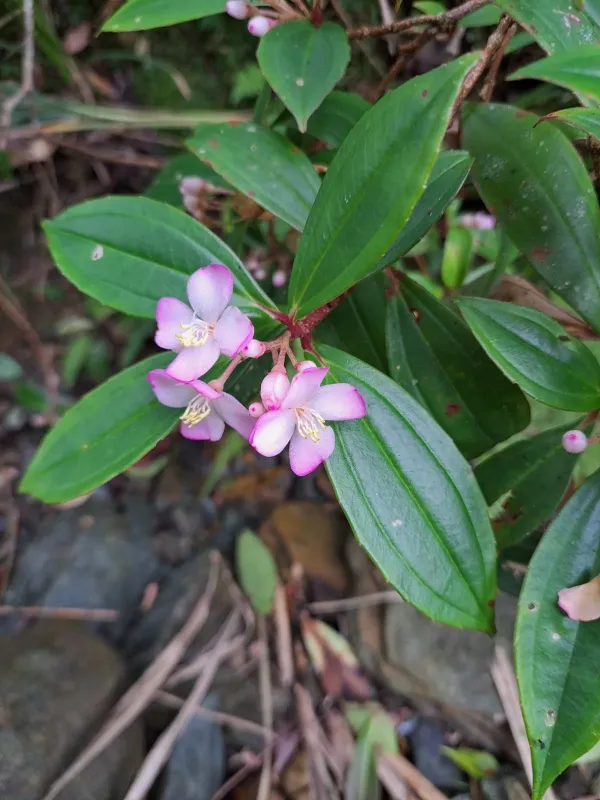
Description
Growing requirements
Medinilla fengii is an extraordinary ornamental species belonging to the Melastomataceae family, originating from the tropical regions of Southeast Asia.
As a plant with epiphytic tendencies, it requires a well-draining, loose growing medium that mimics the forest floor or tree bark environment.
The culture demands bright, filtered sunlight to thrive, as direct solar radiation can damage its delicate foliage and lead to dehydration.
High humidity levels are essential for the survival of this tropical plant, necessitating frequent misting or the use of automated humidification systems.
Thermal stability is crucial for healthy development, with a preferred temperature range between 20 to 25 degrees Celsius throughout the year.
Main diseases and pests
Excessive soil moisture is the primary cause of root rot, which is the most lethal condition for Medinilla fengii in a controlled cultivation environment.
Spider mites frequently target the plant, especially during dry winter months when indoor heating significantly reduces ambient humidity levels.
Scale insects and mealybugs can infest the plant, causing leaf deformation and overall weakness if the infestation is left unaddressed.
Good air circulation is vital to prevent fungal diseases that tend to flourish in stagnant, humid environments around the plant leaves.
Integrated pest management, including regular visual inspections and proper sanitation, is recommended to keep the culture healthy and vigorous.