
Macairea
Macairea
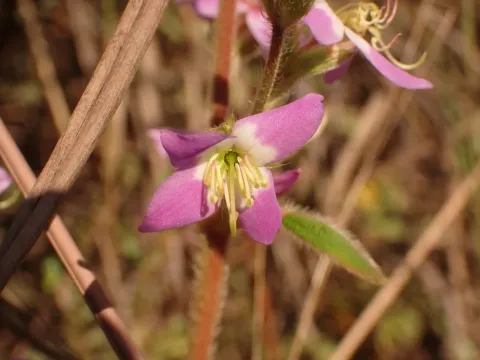
Macairea is a distinct genus within the Melastomataceae family, comprising several species of shrubs native to tropical South America. These plants are scientifically noted for their characteristic venation pattern on the leaves and vibrant inflorescences.
What the section contains

Macairea
Cultivation of Macairea requires a tropical or sub-tropical climate. In regions outside of their natural habitat, they are primarily grown in specialized greenhouses where humidity and temperature can be strictly controlled to mimic rainforest conditions.
The soil requirements are specific: the substrate must be highly acidic, well-draining, and rich in organic matter. Sandy-peat mixtures are usually recommended to ensure that water does not accumulate around the root crown, preventing root rot.
Light management is essential for this plant. While Macairea requires abundant light to produce flowers, intense, direct equatorial sun can lead to leaf scorching. Therefore, 40-50% shade cloth is often employed in commercial nursery setups.
Proper water management is the cornerstone of its success. The plants thrive when the soil remains consistently moist but not waterlogged. Using rainwater or deionized water is preferred to avoid the accumulation of mineral salts that can impair nutrient uptake.
Root pathogens such as Pythium and Phytophthora are the most significant threats to Macairea. These fungi thrive in damp, poorly aerated soil, quickly compromising the root system and causing the entire plant to wilt suddenly.
Spider mites (Tetranychidae) are common greenhouse pests that target these shrubs. Their presence is indicated by fine webbing and yellow stippling on the leaves, which significantly reduces the photosynthetic capacity of the plant.
Mealybugs are another recurring issue, often nesting in the dense foliage or the junction between branches. Manual removal combined with systemic soaps is often necessary to control infestations without harming the plant’s sensitive tissues.
Leaf spot diseases, caused by various fungal spores, can spread rapidly if the foliage remains wet for extended periods. Increasing air circulation within the greenhouse is an effective preventative measure against these infections.
Nutrient deficiency, specifically iron chlorosis, may occur if the soil pH rises above the optimal acidic range. Maintaining soil acidity is vital to ensure that essential microelements remain available to the plant throughout its life cycle.