
Medinilla myriantha
Medinilla myriantha
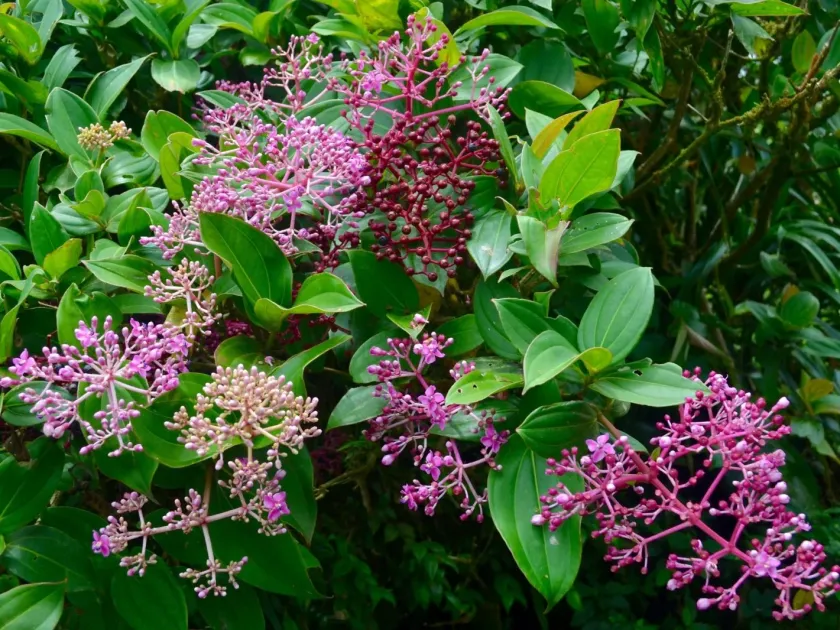
Description
Growing requirements
Medinilla myriantha is a striking evergreen shrub belonging to the Melastomataceae family. Native to the tropical regions of Southeast Asia, this species thrives in humid forest environments, making it a popular choice for specialized greenhouse production.
The crop requires a stable temperature range between 20°C and 25°C. Any exposure to temperatures below 15°C or strong, cold drafts can cause severe physiological stress, leading to stunted growth or leaf drop.
Soil requirements focus on high aeration and moisture retention. A mix consisting of orchid bark, peat moss, and perlite provides the ideal physical structure for the plant's root system, ensuring excellent drainage and preventing compaction.
Maintaining high relative humidity is essential for Medinilla health. Levels should ideally remain between 70% and 80%, requiring automated misting systems or frequent manual spraying in controlled horticultural environments.
Light management is crucial; while the plant enjoys bright conditions, it must be protected from direct, intense sunlight. Diffused light is preferred to maintain the deep green color of the foliage and support flower bud development.
Main diseases and pests
Typical pests affecting Medinilla myriantha include spider mites and mealybugs. These organisms often proliferate in low-humidity environments, making it vital to monitor plant health closely during periods of drier air.
Root rot caused by overwatering or poor substrate drainage remains the most significant pathological threat. Implementing a strict irrigation schedule tailored to the plant's water needs is the primary method of disease prevention.
Fungal infections can also manifest as leaf spots if foliage remains wet for extended periods. Promoting good airflow through greenhouse fans is a standard agricultural practice to keep leaves dry and discourage pathogen colonization.
Integrated Pest Management (IPM) strategies, involving the use of predators or specific miticides, are recommended for large-scale operations to manage mite infestations without damaging the sensitive floral structures.
Routine sanitation, including the removal of dead or decaying plant material from the surface of the growing media, significantly reduces the inoculum potential for various common greenhouse diseases.