
Leandra
Leandra
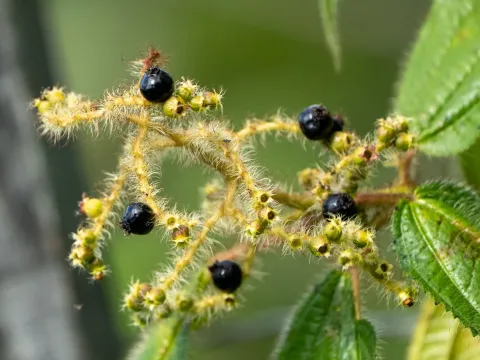
Leandra is a significant genus within the Melastomataceae family, comprising numerous species of evergreen shrubs and small trees. These plants are native to the tropical and subtropical regions of the Americas, thriving predominantly in humid forest ecosystems.
What the section contains

Leandra
The botanical structure of Leandra is defined by its distinct opposite leaves with prominent longitudinal venation. The inflorescences are often showy, producing a mass of flowers that provide ecological value by supporting local pollinator populations in their native habitats.
Cultivation requires specific soil conditions, characterized by high organic matter content and a slightly acidic pH. Proper drainage is absolutely critical, as these plants are highly susceptible to root decay in waterlogged environments.
The climate requirements for this culture are strict; Leandra prefers warm temperatures and high humidity levels consistently throughout the year. As a tropical genus, it lacks cold hardiness and cannot survive in regions that experience frost or freezing temperatures.
Economically, Leandra is primarily valued in ornamental horticulture for its attractive foliage and floral displays. In some tropical regions, certain species are utilized in reforestation projects to prevent soil erosion and restore degraded forest canopy structures.
The most common health issues for Leandra involve fungal pathogens, particularly in humid, poorly ventilated spaces. Root rot and various foliar spots are the primary concerns for growers maintaining these plants in controlled environments.
Pest management is essential, with spider mites and mealybugs being the most persistent threats. Maintaining proper humidity and using integrated pest management strategies are the most effective ways to ensure the longevity of the plant specimens.