
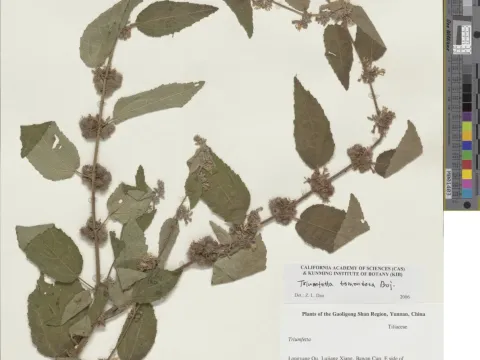
Triumfetta tomentosa
Triumfetta tomentosa
Triumfetta tomentosa is a resilient fiber-producing plant belonging to the Malvaceae family. For successful cultivation, seeds should be sown in well-prepared, warm soil when ambient temperatures consistently stay above +22 degrees Celsius, ensuring rapid germination and early growth.
What the section contains
Triumfetta tomentosa
The selection of the field site is crucial; it requires a location with full sun exposure and fertile, well-draining soil. Prior to sowing, the land must be tilled to a fine tilth, removing all competing weeds to provide the best possible environment for the developing root systems.
Seed depth should be maintained at approximately 2–3 centimeters to ensure optimal moisture contact and protect the seeds from birds or drying out. Consistent moisture after sowing is vital for the first 14 days until the plants establish their primary roots.
Planting density is adjusted according to the desired outcome: denser sowing promotes the growth of longer, less branched stems, which is preferred for high-quality bast fiber production. Proper spacing ensures that every plant has adequate access to nutrients and light.
In regions with distinct wet and dry seasons, timing the sowing to coincide with the beginning of the rainy season is highly recommended. This natural supply of moisture significantly improves survival rates during the critical initial weeks of development.
Triumfetta tomentosa is a heliophilic plant, requiring intense sunlight to maximize fiber development. Shaded areas significantly inhibit stem growth and reduce the overall quality of the fiber, making proper site selection a primary factor for commercial success.
The plant thrives in loamy or sandy loam soils with good drainage capacity. While it prefers neutral soil, it is adaptable to slightly acidic conditions. It is essential to avoid sites prone to waterlogging, as stagnant water is detrimental to the health of the plant.
Water requirements are moderate, but the plant benefits from consistent moisture levels during the peak vegetative stage. While it displays moderate drought tolerance once mature, supplemental irrigation during prolonged dry spells can lead to significantly higher yields.
Fertilization should prioritize phosphorous and potassium for stem strength, while nitrogen should be applied strategically to balance vegetative growth. Over-fertilization with nitrogen can lead to excessive branching, which reduces the uniformity of the harvested fiber.
Soil aeration via mechanical inter-row cultivation is highly beneficial. It suppresses weed emergence, improves oxygen access to the roots, and enhances the plant's overall resistance to various environmental stresses, leading to a more robust crop at maturity.
The yield of Triumfetta tomentosa is primarily measured by the total biomass of stalks and the final extraction rate of high-quality fiber. With proper intensive management, the crop can provide significant annual yields, making it a viable alternative for fiber production.
Industrial processing of the stalks into bast fiber allows for a wide range of applications, including textiles, cordage, and paper products. Efficient extraction techniques are essential to maximize the recovery of high-strength fibers from the raw plant stalks.
Consistency in crop management practices is the primary driver of high yields. By maintaining soil health and ensuring sufficient nutrient supply throughout the growing season, farmers can ensure a predictable output of raw material regardless of minor climate fluctuations.
The potential for high fiber output is further enhanced by selecting healthy, high-performing genotypes during the seed selection process. This focus on crop improvement is essential for meeting the growing demand for natural, biodegradable fibers in global markets.
Economic profitability is bolstered by the secondary use of processing waste, such as core wood (shives), which can be utilized as biofuel or as a composite filler. This holistic approach to crop utilization maximizes the return on investment for agricultural producers.
Common pests, including leaf-eating beetles and aphids, can cause significant damage during the early stages of plant growth. Integrated Pest Management (IPM) strategies, including biological controls, are highly recommended to keep populations below economic injury levels.
Fungal pathogens such as root rot or leaf spots may occur under conditions of excessive humidity or poor soil drainage. Maintaining good plant spacing and ensuring that the field has good airflow are the most effective preventative measures against fungal outbreaks.
Weed management is critical, as weeds compete aggressively with the young Triumfetta plants for light and nutrients. Keeping the field clean during the first two months is essential to allow the crop to gain the necessary vigor to shade out remaining weed species.
Monitoring the field for signs of stress or infestation should be a weekly routine. Early detection allows for targeted, small-scale interventions that prevent the spread of diseases or pests, protecting the investment made in the current year’s crop.
Environmental stressors such as extremely high winds can cause lodging in taller plants. Choosing a planting site protected from prevailing winds or growing a protective perimeter can help maintain the integrity of the stalks until the time of harvest.
Harvesting should be timed precisely with the beginning of the flowering phase. This timing ensures that the stalks have reached their maximum length without becoming overly lignified, which is critical for maintaining the flexibility and tensile strength of the fiber.
Mechanical harvesting using specialized mowers is the standard method for large-scale operations. It is important to ensure a low, clean cut close to the ground, which maximizes the yield per hectare and provides uniform stalk lengths for processing.
Post-harvest processing involves retting—a microbial or chemical process that breaks down the pectin to separate the fiber from the stalk. The quality of this process is paramount, as it directly dictates the color, purity, and marketability of the final fiber product.
After retting, the fiber should be dried efficiently to prevent contamination or fungal growth. Moisture management at this stage is essential to ensure that the fiber does not lose its structural properties before it is baled and shipped to manufacturers.
Sorting the harvested material by length and maturity allows producers to offer graded fiber products to different industrial sectors. This adds value to the harvest and ensures that every part of the crop is utilized to its highest potential market use.