
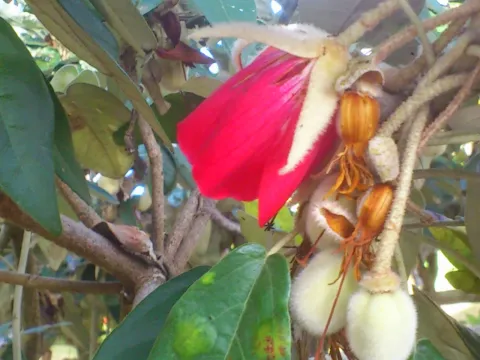
Trochetia
Trochetia
Propagation of Trochetia is typically performed by sowing fresh seeds in a well-drained, sterile seed-starting mixture.
What the section contains

Trochetia
Optimal germination occurs when seeds are kept at a steady temperature between 22 and 26 degrees Celsius.
Stem cuttings can also be used for propagation, which is a preferred method for maintaining genetic uniformity in specialized collections.
Cuttings should be taken during the active growth phase and treated with rooting hormones to enhance successful establishment.
Initial care for young plants involves maintaining high humidity levels to prevent dehydration before root systems are fully developed.
Trochetia is a genus of flowering plants in the family Malvaceae, native to the tropical forests of Mauritius.
The plant requires a bright, indirect light environment, as direct sun exposure can scorch the foliage of younger specimens.
It thrives in a loamy, slightly acidic soil that provides both essential nutrients and excellent drainage to prevent waterlogging.
As a tropical plant, it demands stable temperatures and protection from cold drafts, making it suitable mainly for greenhouses or conservatories.
Watering should be consistent; it is crucial to allow the substrate to dry slightly between irrigation cycles to maintain healthy roots.
Common pests affecting Trochetia in indoor settings include spider mites and mealybugs, which thrive in low-humidity environments.
Fungal issues, particularly root rot, often arise from excessive moisture and inadequate soil aeration in the growing container.
Effective management includes regular monitoring of the underside of leaves and keeping the growing area clean and well-ventilated.
Chemical interventions with appropriate pesticides should be applied sparingly and only when cultural controls fail to resolve the issue.
Maintaining the overall vitality of the plant through correct fertilizing schedules helps naturally suppress the impact of common pathogens.