
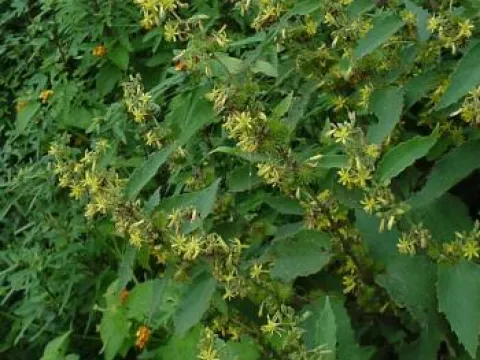
Triumfetta suffruticosa
Triumfetta suffruticosa
Triumfetta suffruticosa is a prominent member of the Malvaceae family, widely recognized for its utility as a source of high-quality bast fiber. This herbaceous perennial shrub grows effectively in tropical and subtropical regions where environmental conditions favor rapid biomass accumulation.
What the section contains
Triumfetta suffruticosa
Sowing should be synchronized with the onset of the rainy season to provide the necessary moisture for seed germination. Farmers typically ensure soil temperatures remain between 22 and 25 degrees Celsius, which is optimal for the initial developmental stages of the young seedlings.
Seeds are often treated via scarification to overcome the natural dormancy caused by the hard seed coat. Depending on the intended output, seed density is adjusted; higher densities are preferred for fiber production as they minimize lateral branching and encourage the growth of long, straight stems.
Soil preparation involves deep tilling to facilitate root penetration and the addition of organic matter to improve soil fertility. A well-prepared seedbed is crucial for achieving uniform emergence, which significantly simplifies the later stages of the cultivation cycle.
In intensive production systems, both direct sowing and seedling transplantation are utilized. The choice depends on the level of mechanization and local climate patterns, aimed at maximizing the growing season length for higher yields of raw fiber.
Triumfetta suffruticosa requires significant sunlight for optimal growth. Exposure to full, direct light is essential, as shading can lead to thin, weak stems that result in lower fiber output and poor material quality for industrial manufacturing.
The plant thrives in well-drained, sandy loam soils with a neutral or slightly acidic pH. Excessive moisture stagnation must be avoided at all costs, as the root system is highly sensitive to waterlogging, which often leads to severe physiological stress and fungal infections.
Regular irrigation is necessary in regions with seasonal droughts to maintain consistent growth rates. However, the balance between moisture and soil aeration is delicate, and irrigation schemes must be managed to ensure that water is available without saturating the soil.
Tolerating heat well, the plant is, however, highly susceptible to cold temperatures. Even mild frosts can cause significant damage to the biomass, limiting the crop's cultivation to zones where temperatures remain stable and sufficiently high throughout the growing season.
Weed control is a critical aspect of daily management. Regular cultivation and hoeing in the inter-row spaces improve soil aeration and reduce competition for nutrients, which allows the crop to establish a competitive advantage early in its life cycle.
The primary economic value of Triumfetta suffruticosa lies in its fibrous stems, which are harvested to produce bast fibers. These fibers are noted for their durability and tensile strength, making them ideal for traditional cordage, ropes, and coarse textile products.
Beyond traditional uses, the plant is increasingly viewed as a viable feedstock for the pulp and paper industry. Its cellulose composition allows it to serve as a sustainable alternative to wood pulp, particularly in regions where deforestation is a major ecological concern.
In addition to industrial fiber, certain parts of the plant are utilized in local ethnomedicine. While these applications are significant at the community level, the agricultural focus remains firmly on maximizing fiber yield for commercial supply chains.
Peak fiber quality is harvested during the early flowering stage. During this period, the chemical composition of the stem, specifically the lignin-to-cellulose ratio, is most favorable for extraction, yielding a more flexible and robust fiber for manufacturers.
The processing chain involves retting—soaking the stems in water—to break down the pectin and release the fibers from the woody inner stalk. Once extracted, the fibers are cleaned, dried in the sun, and baled for transport to factories.
The crop is vulnerable to various insect pests, particularly leaf-eating beetles and aphids, which can reduce the leaf surface area and impair the plant's ability to store energy. Effective management involves monitoring and timely intervention.
Fungal pathogens represent a major threat, often manifesting as root rots or leaf spot diseases under conditions of high humidity. Preventive measures include ensuring good drainage, maintaining proper planting distances, and adhering to strict crop rotation practices.
Invasive weeds can pose a severe threat, especially when plants are small. If left unchecked, weeds compete for sunlight, water, and soil nutrients, potentially resulting in stunted growth and a significant reduction in the final harvest volume.
Integrated Pest Management (IPM) is the recommended approach for Triumfetta suffruticosa. This involves using biological controls and monitoring thresholds to avoid unnecessary chemical applications, which could otherwise affect the environmental profile of the harvested fiber.
Crop rotation is fundamental to minimizing disease buildup in the soil. Farmers are advised to avoid planting Triumfetta immediately after other Malvaceae family crops to break the life cycles of specialized pests and soil-borne pathogens.
Harvesting is performed by cutting the stems close to the base. For large-scale production, mechanical harvesters are employed, while smaller farms may utilize manual harvesting methods to ensure the stems remain intact for easier fiber extraction.
The timing of the harvest is critical and generally occurs when the plants are just entering the flowering phase. This timing ensures that the plant has reached its maximum size while the fibers are still soft enough to be processed efficiently.
After cutting, the stems are bundled and left in the field for a short drying period. This initial drying helps reduce the weight and prepares the stems for the retting process, which is necessary to separate the bast from the woody core.
Logistics play a vital role in harvesting, as damp fibers are highly susceptible to mold. Rapid transport from the field to the retting pits or processing facility is essential to maintain the quality and strength of the fibers.
The final harvested product, in the form of baled fiber, is a result of meticulous field management and careful post-harvest handling. Proper storage in dry, well-ventilated conditions is the final step in ensuring the product meets market standards.