
Tuan lime
Tilia tuan
Description
Growing requirements
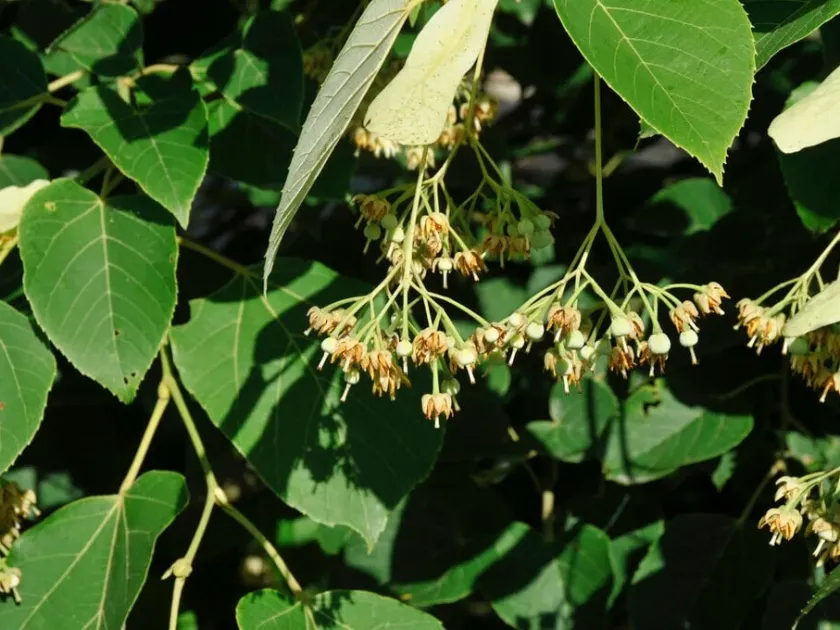
Tilia tuan, commonly known as the Tuan lime, is a tree species belonging to the Malvaceae family. Originating from the forest regions of China, this tree is distinguished by its elegant foliage and fragrant flowers that attract numerous pollinators during the blooming season.
The cultivation of this species requires deep, moist, and well-drained loamy soils. It thrives in temperate conditions and is moderately shade-tolerant during its juvenile phase. However, reaching its full growth potential necessitates full sun exposure in a sheltered location away from harsh winds.
Maintaining proper soil moisture is critical for the development of Tilia tuan. A consistent irrigation schedule is advised, especially during the first few years of establishment, combined with the application of organic mulch to conserve moisture and regulate soil temperature.
Pruning is usually minimal, focused primarily on removing dead or crossing branches to maintain a healthy crown structure. The tree is an excellent candidate for urban forestry and landscape projects due to its aesthetic appeal and ability to adapt to diverse ecological conditions.
Beyond its landscape value, the Tuan lime is recognized for its high-quality timber and medicinal flowers. It is widely regarded as a significant honey plant, providing high-quality nectar that results in a distinct, aromatic honey highly prized by local beekeepers.
Main diseases and pests
Tilia tuan is susceptible to several fungal diseases, including powdery mildew and leaf spot, which thrive in conditions with high humidity and poor air circulation. Proper spacing between trees and timely crown thinning are essential preventive measures to maintain plant health.
Insect pests, such as aphids and scale insects, often target the tender shoots and leaves. Integrated pest management strategies, utilizing both natural predators and eco-friendly horticultural soaps, are recommended to maintain the tree's health without disrupting the local ecosystem.