
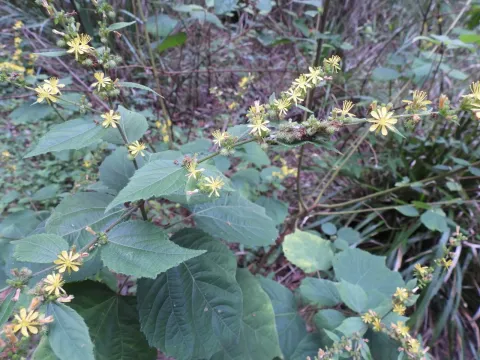
Triumfetta velutina
Triumfetta velutina
Triumfetta velutina is a tropical crop that requires stable, warm temperatures to ensure uniform seed germination. The ideal sowing period begins when soil temperatures consistently reach 20-25 degrees Celsius, typically coinciding with the onset of the rainy season.
What the section contains
Triumfetta velutina
Seed preparation is a vital step in ensuring a healthy crop. Seeds should be treated to break dormancy and sown at a shallow depth in well-prepared seedbeds to facilitate quick emergence. Over-deep sowing is a common mistake that significantly delays development.
Planting density plays a crucial role in fiber quality. Sowing should be carried out in rows, maintaining sufficient space for mechanical weeding while ensuring that plants are close enough to encourage vertical stem growth rather than excessive branching.
The choice of soil is critical for successful sowing. Loamy, well-draining soils are preferred, as these allow for rapid root establishment. If the soil is too heavy, the risks of waterlogging and seed rot increase, which can ruin the stand density early on.
Planning for a crop rotation cycle is essential to manage soil health. Including this plant in a rotation with legumes can help naturally improve soil nitrogen levels, providing a foundation for successful future harvests of the fiber crop.
Triumfetta velutina belongs to the Malvaceae family and is recognized for its valuable bast fibers. Originating from tropical regions of Africa, the plant has evolved to thrive in high-temperature environments with significant annual rainfall, making it well-suited for specific tropical agro-climatic zones.
The plant requires full sun exposure to reach its maximum height and produce high-quality, durable fibers. Shade causes the stems to grow thin and weak, which negatively impacts the final yield and the commercial value of the harvested raw material.
Soil requirements focus on fertility and drainage. While the plant can tolerate various soil types, a rich, well-drained substrate with a slightly acidic to neutral pH is optimal. Proper drainage is the most important factor, as the plant is susceptible to root diseases if water stagnates.
Nutrient management involves applying balanced fertilizers, with an emphasis on nitrogen during the early stages of vegetative growth. Once the stem reaches the desired height, focus should shift towards phosphorus and potassium to strengthen the fiber structure.
Water management is equally important. Consistent moisture is necessary for the plant to grow rapidly, but the system must be designed to avoid waterlogged conditions. Mulching is highly recommended to retain moisture in the topsoil during dry spells.
The plant is susceptible to several insect pests, including various beetles and aphids that target the foliage. Integrated Pest Management (IPM) practices, such as biological control and regular field monitoring, are essential to minimize damage to the crop.
Fungal diseases, including stem and root rots, represent the most significant threat to plant health, particularly in high-humidity climates. Ensuring proper spacing between plants helps improve airflow, which significantly reduces the spread of these pathogens.
Weed management is a priority during the first several weeks of the plant's life. Weeds compete for sunlight, water, and nutrients; if left uncontrolled, they can stunt growth and drastically reduce the final yield of the bast fibers.
In certain regions, rodents or other small mammals may cause damage by gnawing at the base of the stems. Physical barriers or the use of natural repellents can be an effective strategy for protecting the crop from such wildlife interference.
Following strict phytosanitary guidelines when handling seeds and equipment is crucial to prevent the introduction of new pests or diseases into the production area, thereby protecting long-term crop viability.
Harvesting Triumfetta velutina at the correct physiological stage is imperative. The optimum time is at the onset of the flowering phase, as this is when the stems contain the highest quality fiber, balancing both length and tensile strength.
The stems are typically harvested by cutting them as close to the ground as possible to maximize the yield of long fibers. Specialized equipment is often used to perform this task efficiently, especially on larger industrial plantations.
After cutting, the harvested stems undergo a process known as retting, where they are submerged in water to allow natural microbial degradation to separate the fiber from the woody core. The temperature and duration of this process must be carefully monitored.
Once retting is complete, the fibers are thoroughly washed to remove impurities and residual plant matter. A clean wash is essential for ensuring the fiber has a uniform color and texture, which are key quality indicators for textile manufacturers.
Final processing involves drying the fibers thoroughly under the sun or in controlled drying facilities. Once dry, the fibers are sorted, graded by length and strength, and bundled for storage or shipment to fiber processing facilities.