
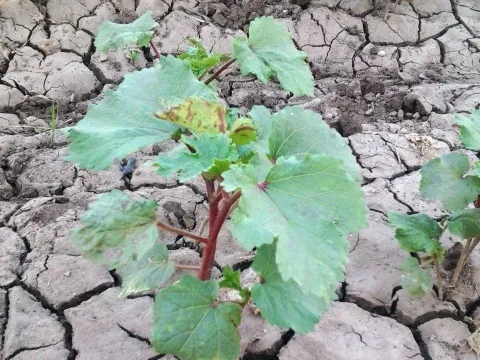
Triumfetta nigricans
Triumfetta nigricans
Triumfetta nigricans is a member of the Malvaceae family, which is widely recognized for its diverse species and ecological utility. This plant is indigenous to tropical African regions and has historically been utilized as a source of high-quality natural fiber.
What the section contains
Triumfetta nigricans
The sowing process for Triumfetta nigricans is typically timed to coincide with the beginning of the rainy season. This ensures that the seeds receive sufficient moisture required for successful germination in varied tropical soil types.
Seeds are sown in prepared soil at a shallow depth of 2 to 3 centimeters, which allows for optimal seedling emergence. Once the seedlings establish, they demonstrate a rapid growth rate, provided the environmental conditions remain consistent.
For commercial cultivation, row spacing is essential to ensure adequate airflow and sunlight penetration. Overcrowding can lead to weaker stalks, which negatively impacts the final yield and the physical properties of the harvested fiber.
Initial care involves manual weeding to prevent competitive pressure from native flora during the early vegetative stage. Once the plants reach a height of approximately 20-30 centimeters, they become more robust and self-sufficient.
This crop thrives in well-drained loamy or sandy soils, avoiding areas prone to waterlogging. Good soil aeration is crucial for the development of the fibrous structures that make this plant economically valuable.
The climate requirements include a warm, humid environment during the primary growth phase, followed by a drier period for maturation. This dual-phase requirement is typical for many tropical fiber-producing Malvaceae.
Optimal soil pH for Triumfetta nigricans ranges from 6.0 to 7.0, facilitating efficient nutrient uptake. Soils that are excessively acidic should be amended with lime to ensure the plant reaches its full physiological potential.
Exposure to full sunlight is critical for the development of sturdy stalks. Plants grown in shaded areas tend to exhibit stunted growth or thinner, less durable fiber, which reduces the overall market value of the harvest.
Moderate applications of organic matter, such as compost or green manure, enhance soil fertility and help maintain a healthy plant metabolism throughout the intense tropical growth season.
Fungal pathogens represent the most significant threat to Triumfetta nigricans, particularly in periods of prolonged rainfall. Root rot and leaf blight are common issues that require strict drainage management to control.
Various insect pests, including larvae that feed on tender foliage, can cause significant stress to the plants. Regular inspection of the crop during the peak growing months is essential to detect early infestations.
Integrated pest management (IPM) strategies, including the use of botanical insecticides and biological controls, are highly recommended to preserve ecological balance while protecting the crop yield.
Crop rotation is a vital agricultural practice for this species. Cultivating Triumfetta nigricans in the same plot year after year significantly increases the risk of soil-borne diseases and pest buildup.
Effective management also involves keeping the surrounding area free of weeds that may host viral diseases or act as vectors for insect pests capable of spreading infections across the plantation.